

Music Licensing for Massage Therapists and Spa Owners: What You Actually Need to Know
The music playing in your treatment room right now probably isn't legally cleared to be there.
That's true whether you're a solo massage therapist running a one-room practice, a hotel spa with six treatment rooms, or a wellness centre with a full team of bodyworkers.
Not because anyone made a bad decision. Because nothing in professional training — massage therapy certification, spa management, hospitality — covers music licensing. You find a Spotify playlist, turn it down low, and assume the subscription covers it.
It doesn't. And the gap between what most therapists are doing and what they're legally supposed to do is significant.
This guide covers what music for massage therapy actually requires — the sound qualities that support a session, the licensing reality most practitioners and venues haven't been told about, and how to build a professional sound library that works for your clients and protects your business.
Commercially Licensed Music for Massage Therapy and Spa Venues
Built for massage therapists, treatment rooms, hotel spas, wellness centres, and beauty venues. Each pack is one continuous hour of ambient music — commercially licensed, professionally produced, immediately usable.
No complicated file management. No subscription. No PRO licence required. One track, sixty minutes, commercially cleared.
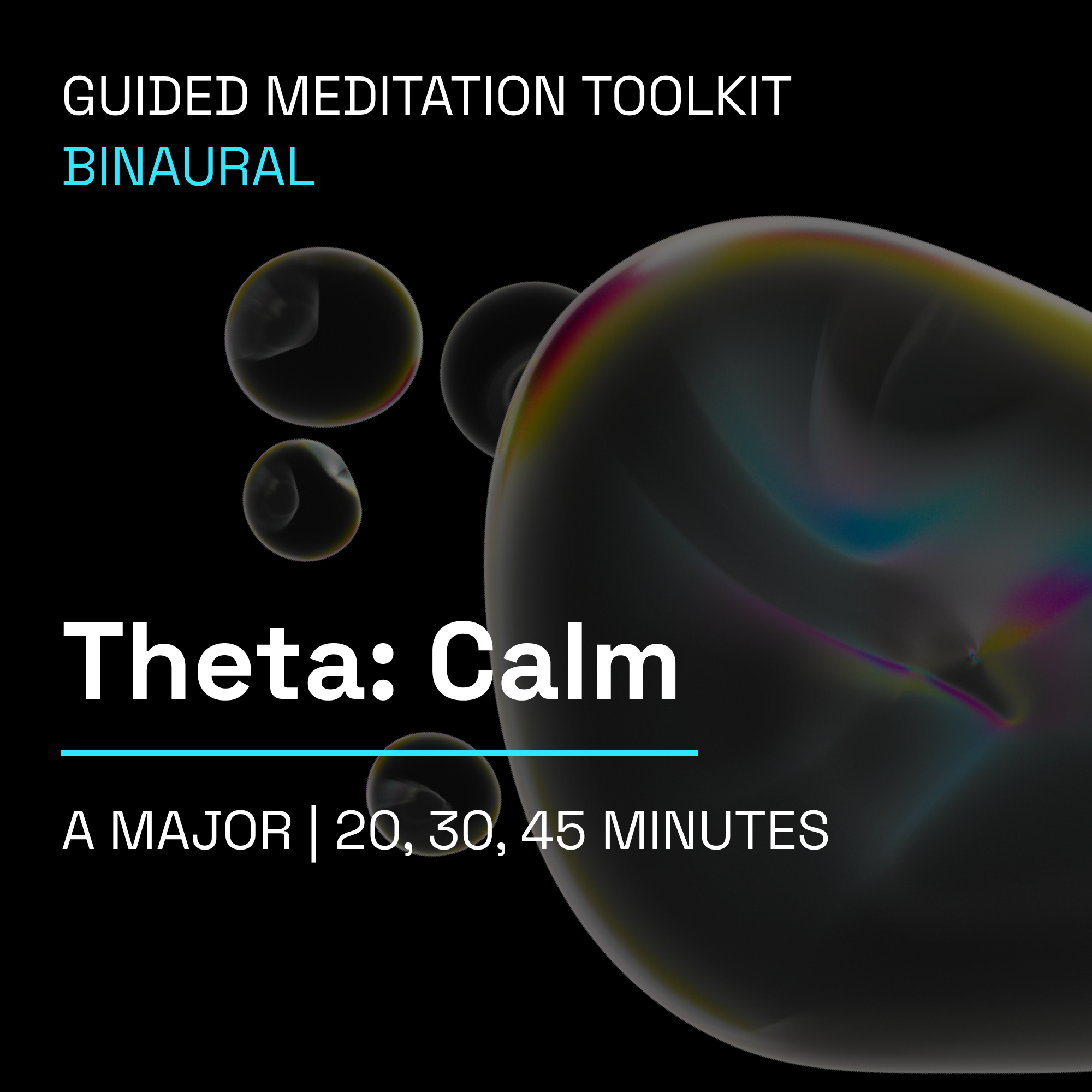
A complete, optimistic sonic toolkit for deep journeys and restorative work.
Designed specifically for healers, hypnotherapists, and meditation teachers, the Theta Calm toolkit provides a steady, safe musical container that supports your practice without ever becoming distracting.
This toolkit includes three essential session lengths (10, 20, and 30 minutes) and features our signature "Voice-Ready" mixes, giving your guided sessions massive clarity without you ever having to wrestle with audio levels.
The "Warm & Optimistic" Sound Design Composed in the key of A Major, this track evokes a profound sense of openness and hope. Unlike darker or more brooding drone beds, Theta Calm feels incredibly steady and safe. It is ideal for practices where you want clients to feel held, resourceful, and uplifted rather than heavy or sleepy. It serves as the perfect continuous musical bed for hypnosis, yoga nidra, regression journeys, or long restorative practices.
The Science: Embedded Theta Waves A subtle 4–6 Hz theta frequency layer is intricately woven into the sound architecture. Theta waves are associated with deep relaxation, inner focus, and the “twilight” state between wakefulness and sleep. The entrainment effect shines exceptionally well in headphone-based remote or 1:1 sessions, while still functioning beautifully as a calm, continuous atmosphere in open group spaces.
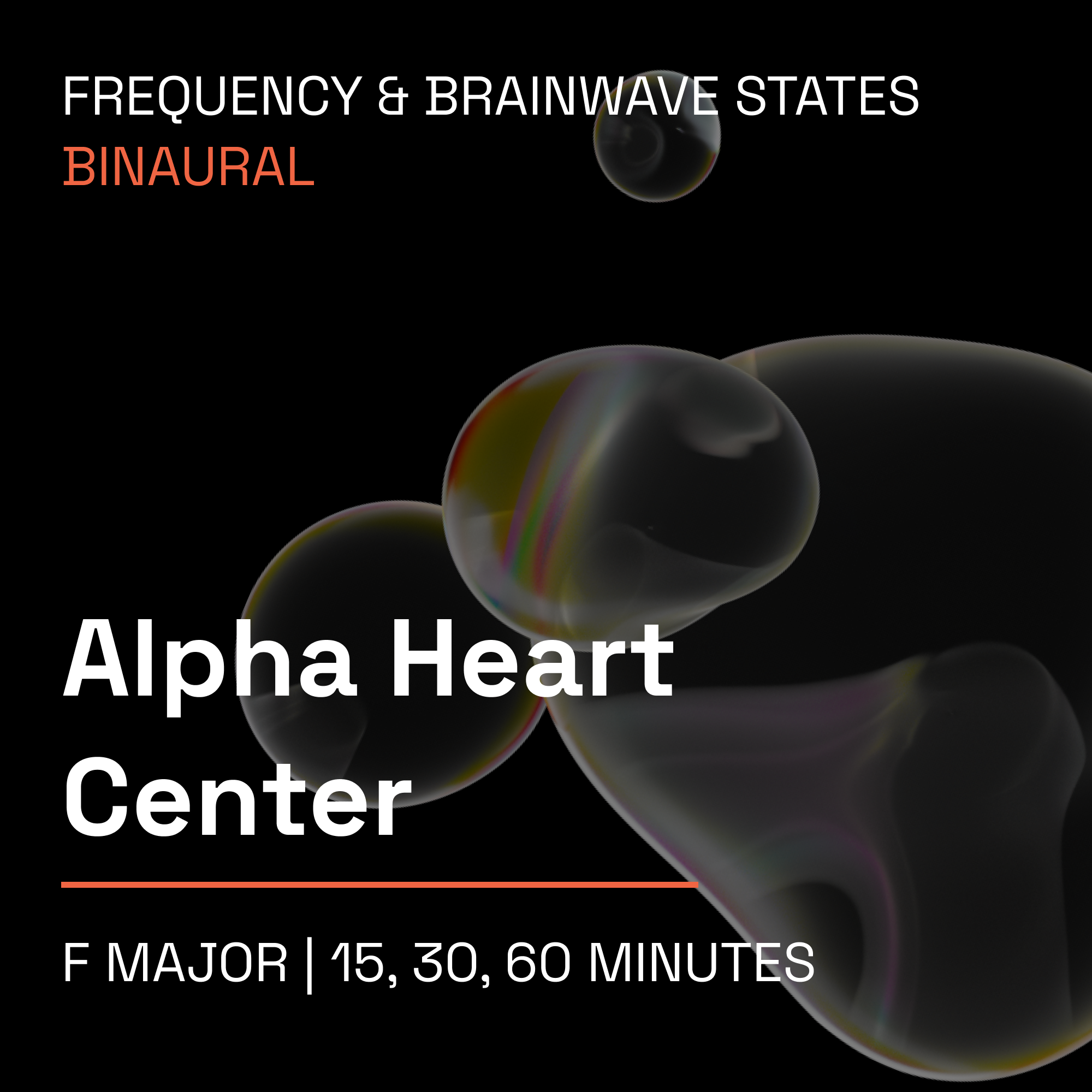
A complete, long-form sonic toolkit for warm, relaxed focus.
Alpha Heart Center provides the exact musical architecture you need to keep a room, group, or 1:1 session in a state of calm, emotional safety for an extended period.
This toolkit includes three essential session lengths (15, 30, and 60 minutes) and features our signature "Voice-Ready" mixes, giving your guided sessions, coaching, and long-form facilitation massive clarity without you ever having to wrestle with audio levels.
The "Heartbeat & Breath" Sound Design The musical core of this track is built on slow-moving Fmaj9 and Bbmaj9 chords that swell and release like a steady heartbeat. Voiced to emphasize warmth and emotional sophistication without drama, the pad is organic and breath-like, with long attacks so every change feels like a gentle tide rather than a chord hit.
A soft, air-like “breath” noise moves in long five-second cycles, inviting participants to subconsciously sync their breathing with the sound and slide into flow, while a grounded F/Bb sub line keeps the experience deeply embodied.
The Science: Embedded 10 Hz Alpha Waves A subtle 10 Hz alpha binaural layer (tuned perfectly to harmonize with the pad’s A3) provides background frequency support. Alpha waves are scientifically associated with "relaxed alertness"—the flow state where the mind is calm, but fully awake and receptive. This makes the track incredibly effective for coaching sessions, creative workshops, or active visualization practices where you need the client's nervous system regulated without putting them to sleep (note: binaural entrainment is most effective over headphones).
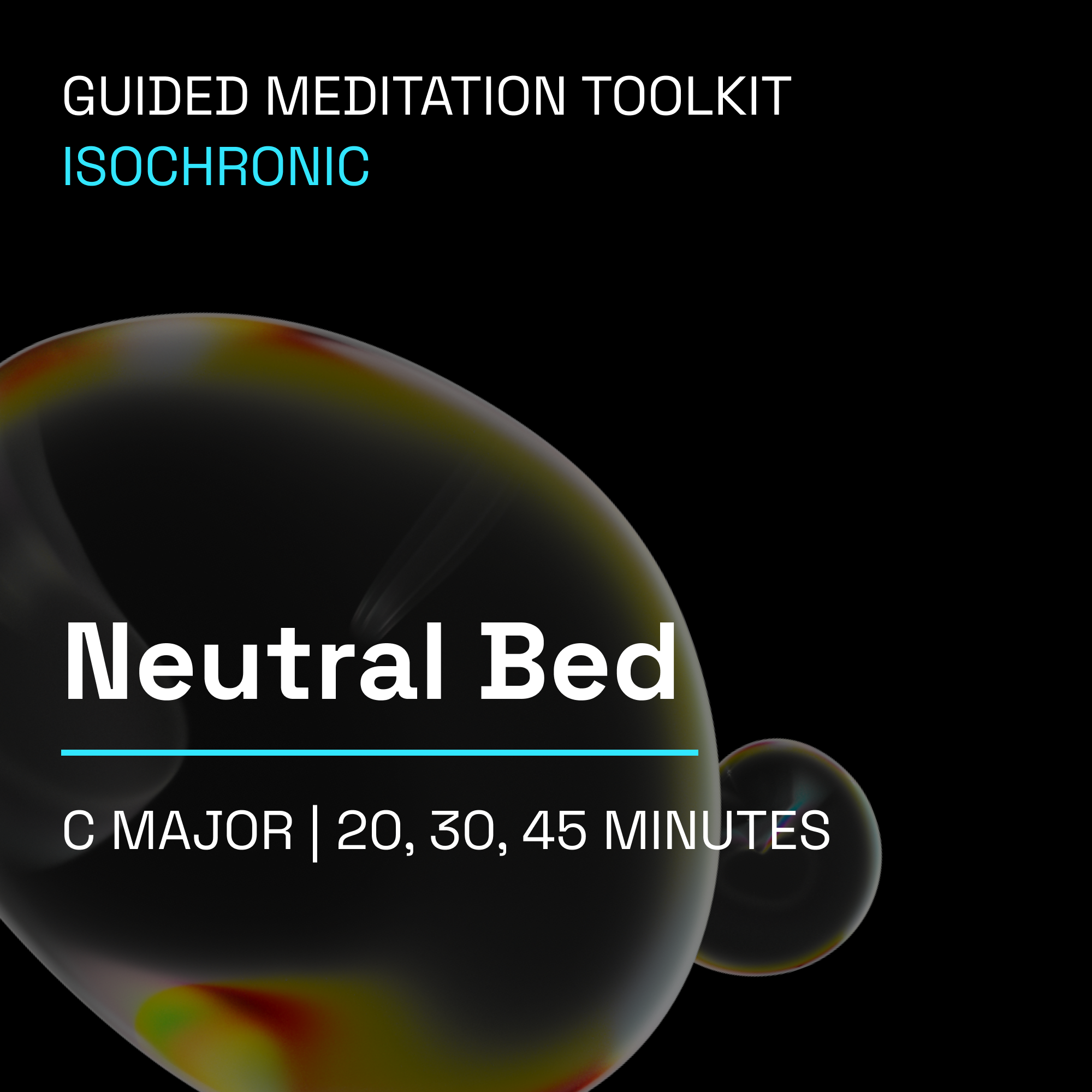
A complete, unobtrusive sonic toolkit for full-length sessions and classes.
Designed for therapists, somatic practitioners, yoga teachers, and meditation guides, Neutral Bed provides one calm, consistent background bed to carry an entire session without ever pulling attention away from the process.
This toolkit includes three long-form session lengths (20, 30, and 45 minutes) and features our signature "Voice-Ready" mixes, giving your live classes and recorded programs massive clarity without you ever having to wrestle with audio levels.
The "Wide & Clear" Sound Design The acoustic processing on this track intentionally spreads a wide, gentle, and grounding musical pad to the far left and right sides of the stereo field. By moving the ambient music to the edges, it keeps the center completely clear for your voice. It provides a flawless, consistent sonic backdrop that holds the room without ever dominating it.
The Science: Speaker-Friendly Isochronic Tones Unlike binaural beats—which require headphones to be effective—Neutral Bed is driven by a 10 Hz alpha isochronic pulse. Isochronic tones use gently embedded, evenly spaced pulses of sound to naturally guide brainwaves. Because it relies on a single pulsing rhythm rather than competing left/right frequencies, it works beautifully over standard room speakers or laptops. This makes it the ultimate brainwave track for open studios, clinics, and group spaces, supporting a state of "relaxed alertness" where clients stay engaged, reflective, and present.
Why Music Matters in a Massage Session
Music does more than fill silence. In a professional treatment room, it's doing three jobs simultaneously.
It masks ambient noise — the conversation from the next room, the HVAC hum, the door closing down the hall. Without it, every small sound can break a client's concentration and pull them out of the relaxed state you're working to create.
It paces the session. The tempo and density of the music subtly signal to a client's nervous system whether to release or stay alert. The right music deepens relaxation faster than the absence of it. The wrong music — too much melodic movement, too many dynamics — keeps the brain engaged when it should be letting go.
It creates professional atmosphere. A treatment room with carefully chosen ambient music feels considered and intentional. That perception carries through to how clients assess your work and whether they rebook.
None of this requires sophisticated music theory. It requires understanding what qualities support a session, and what qualities undermine it.
What Makes Music Work in a Treatment Room
Not all ambient or relaxing music serves massage therapy equally. These are the qualities that matter.
-
The brain tracks melody automatically. A recognisable tune — even a gentle one — engages the cognitive layer and keeps a client slightly alert. Music for massage therapy works best when harmonic movement is slow and structural rather than melodic and memorable. If you can hum it after one listen, it's probably too present.
-
Sudden changes in volume or intensity pull attention. Effective massage music holds a consistent energy level throughout — not flat, but predictable. No builds, no drops, no dramatic shifts. The client should be able to stop noticing it within sixty seconds of the session starting.
-
Research consistently points to 60–65 BPM as the optimal range for relaxation-inducing music. At this tempo, the brain begins to synchronise — heart rate slows, breath deepens, muscle tension reduces. Music above 70 BPM is more activating than settling, even when it sounds "calm."
-
A sixty-minute session requires music that runs continuously without repeating. The brain detects loop points. When it does, it briefly surfaces — exactly the opposite of what you're trying to achieve. Short tracks on repeat, even seamless ones, work against deep relaxation. The minimum for a full session is a single uninterrupted track of at least sixty minutes.
Music for Different Massage Styles and Treatments
-
![]()
Deep Tissue and Remedial Massage
Deep tissue work asks the client to tolerate significant pressure and sometimes discomfort. The music's job here is grounding rather than floating — something low, dark, and stable that keeps the client anchored in the body without directing their attention anywhere specific. Minimal texture. Heavy sub frequencies. Long silences are fine. The music should feel like weight, not movement.
-
![]()
Swedish and Relaxation Massage
Swedish massage is where most therapists default to whatever "sounds relaxing." The risk is choosing music that's pleasant but busy — gentle piano melodies, nature sounds with birds and water, new age tracks with obvious chord progressions. These engage rather than release. For relaxation massage, the ideal music is warm, present, and harmonically slow. The client should feel held by the sound without being directed by it.
-
![]()
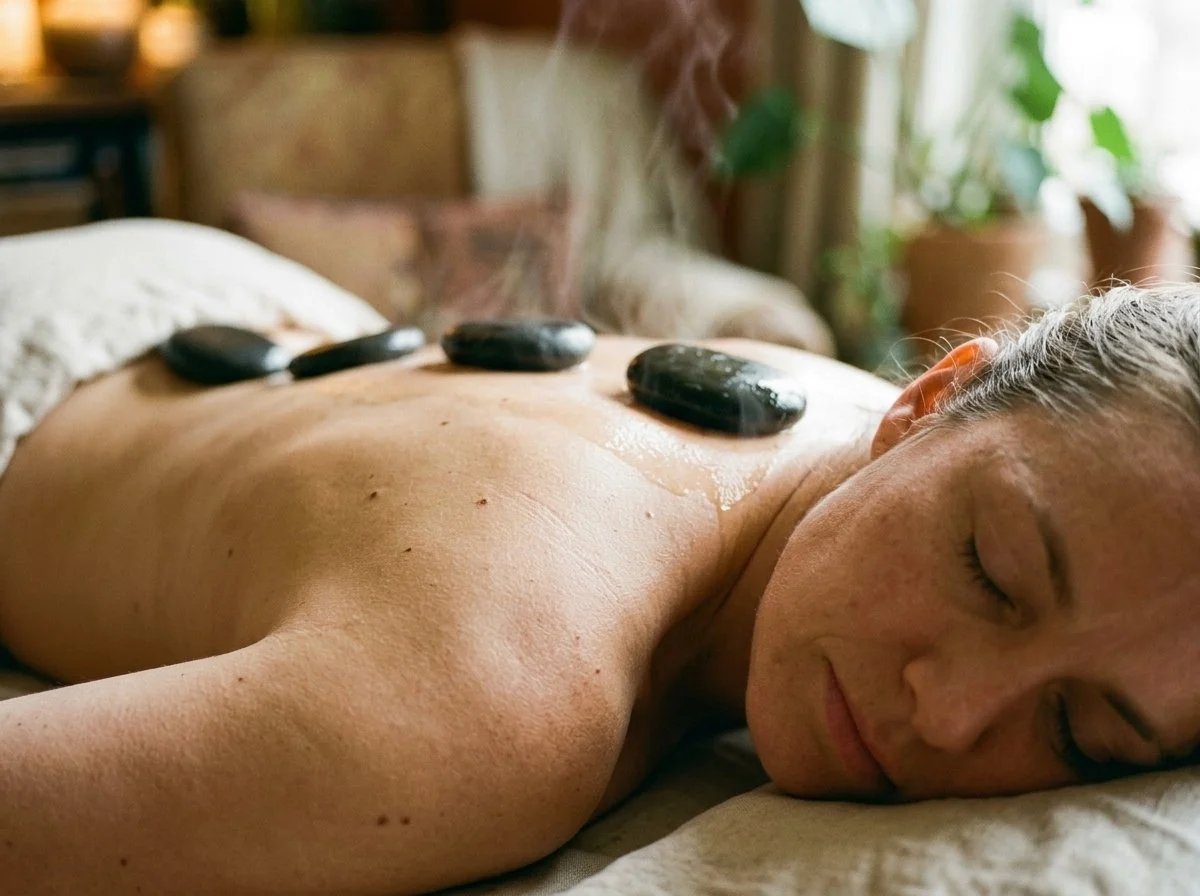
Hot Stone and Aromatherapy
These modalities add a sensory layer — heat, scent — that already creates a rich environment. Music here should complement without competing. Earthy, rooted textures work well. Something with a slow, warm harmonic quality that reinforces the physical warmth of the treatment. Avoid anything with a strong rhythmic pulse — it creates cognitive dissonance against the slow, deliberate pace of the work.
-
![]()
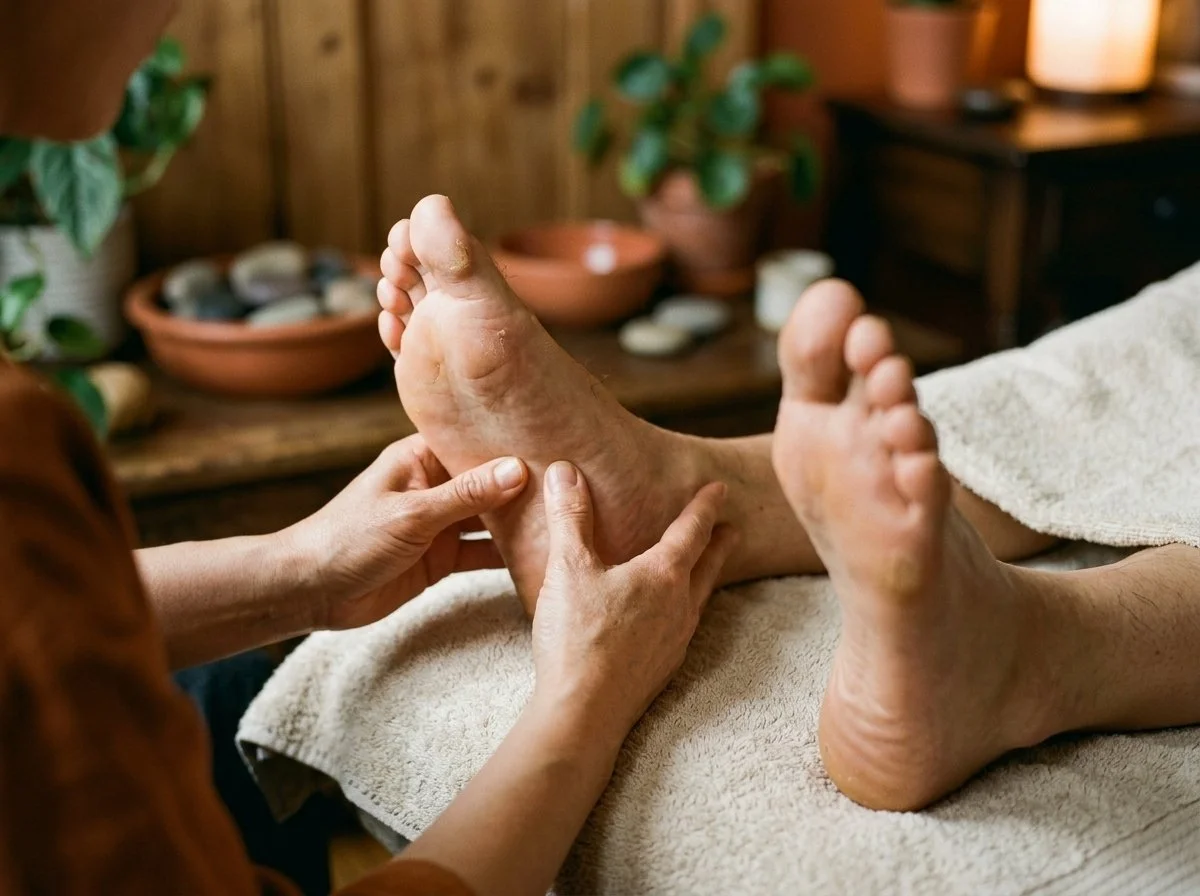
Reflexology and Bodywork
Reflexology sessions typically run 45–60 minutes and involve sustained focused contact on specific points. Music should be gentle and unobtrusive — present enough to mask sound, subtle enough to stay below conscious awareness. Lightly airy, balanced, without heavy bass frequencies that might feel intrusive during precise bodywork.
-
![]()
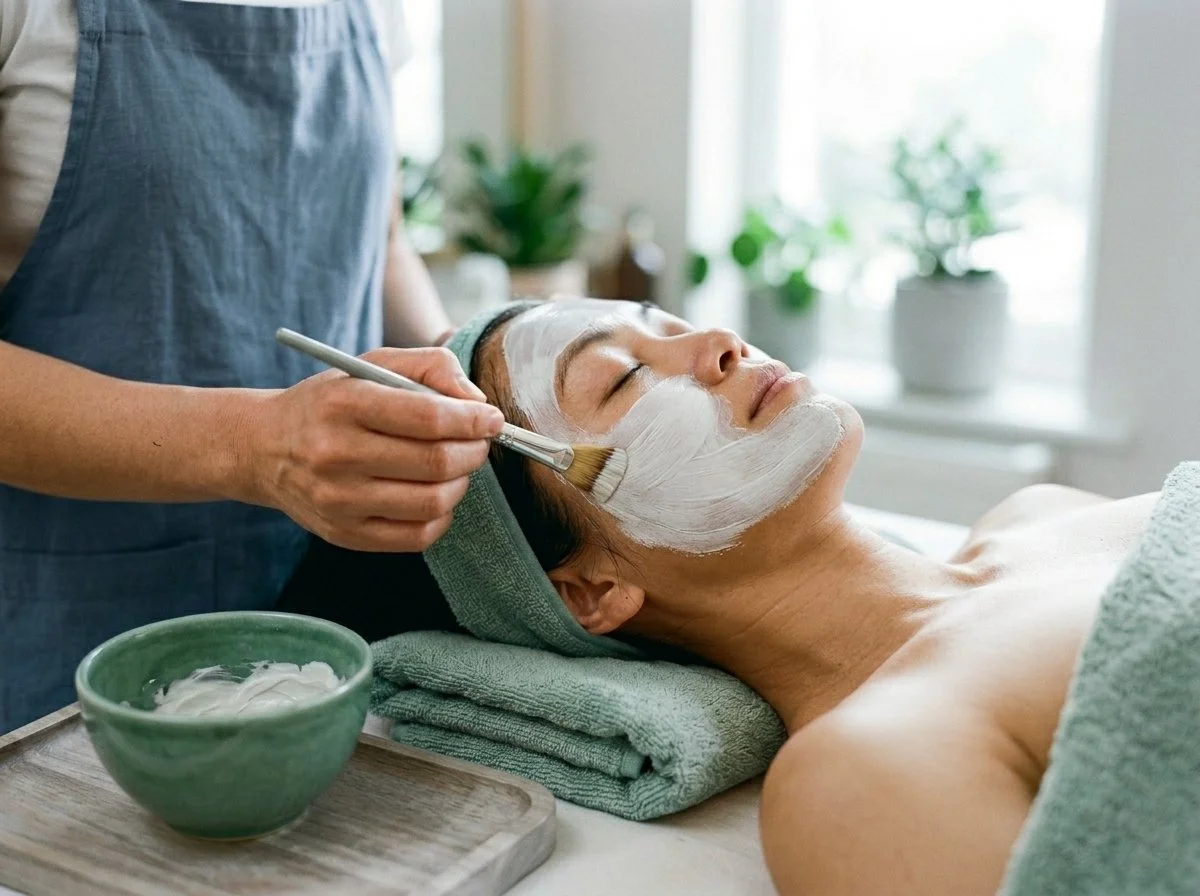
Facial and Skin Treatments
Light, airy, and slightly brighter than massage music. A facial client is often more alert than a massage client — lying on their back, eyes closed but not deeply relaxed. Music with a gentle upward quality, wider stereo spread, and minimal density suits the mood without demanding attention.
-
![]()
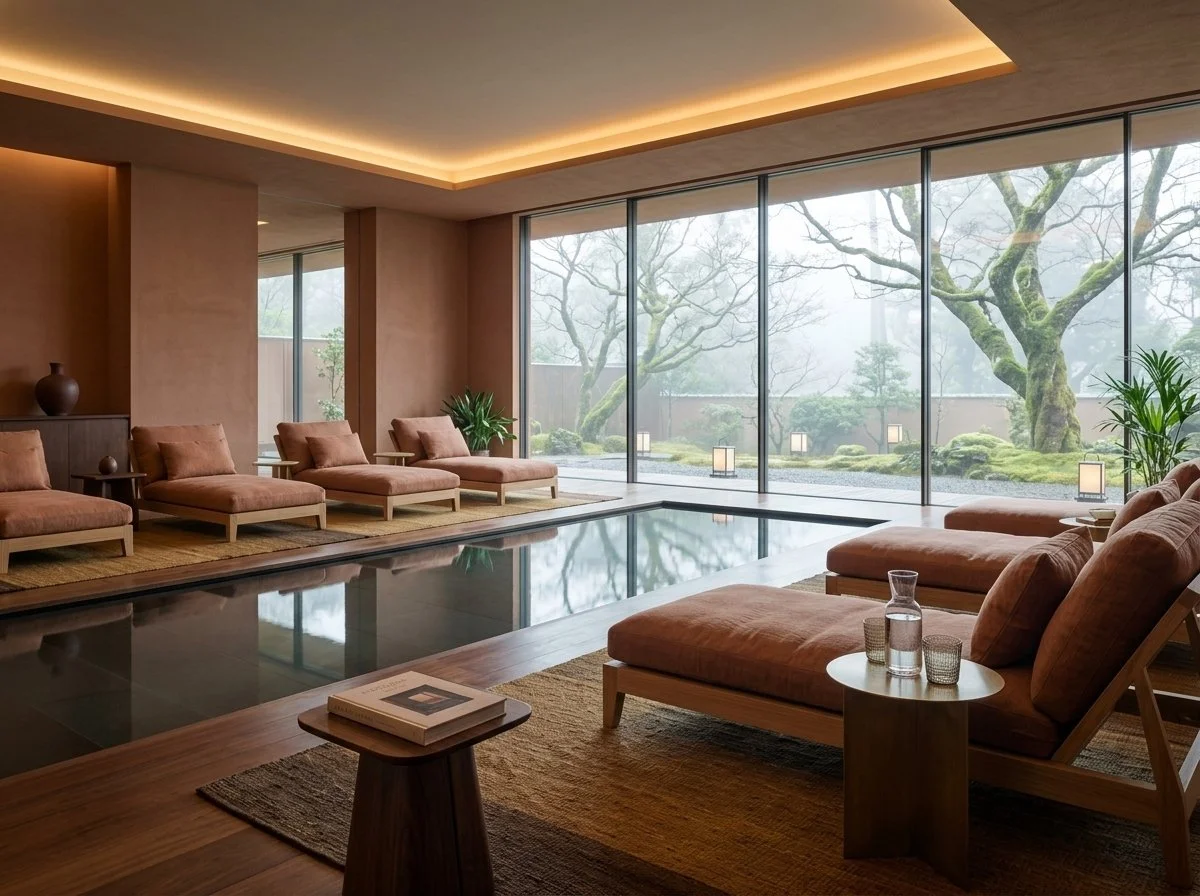
Hotel Spa and Multi-Room Venues
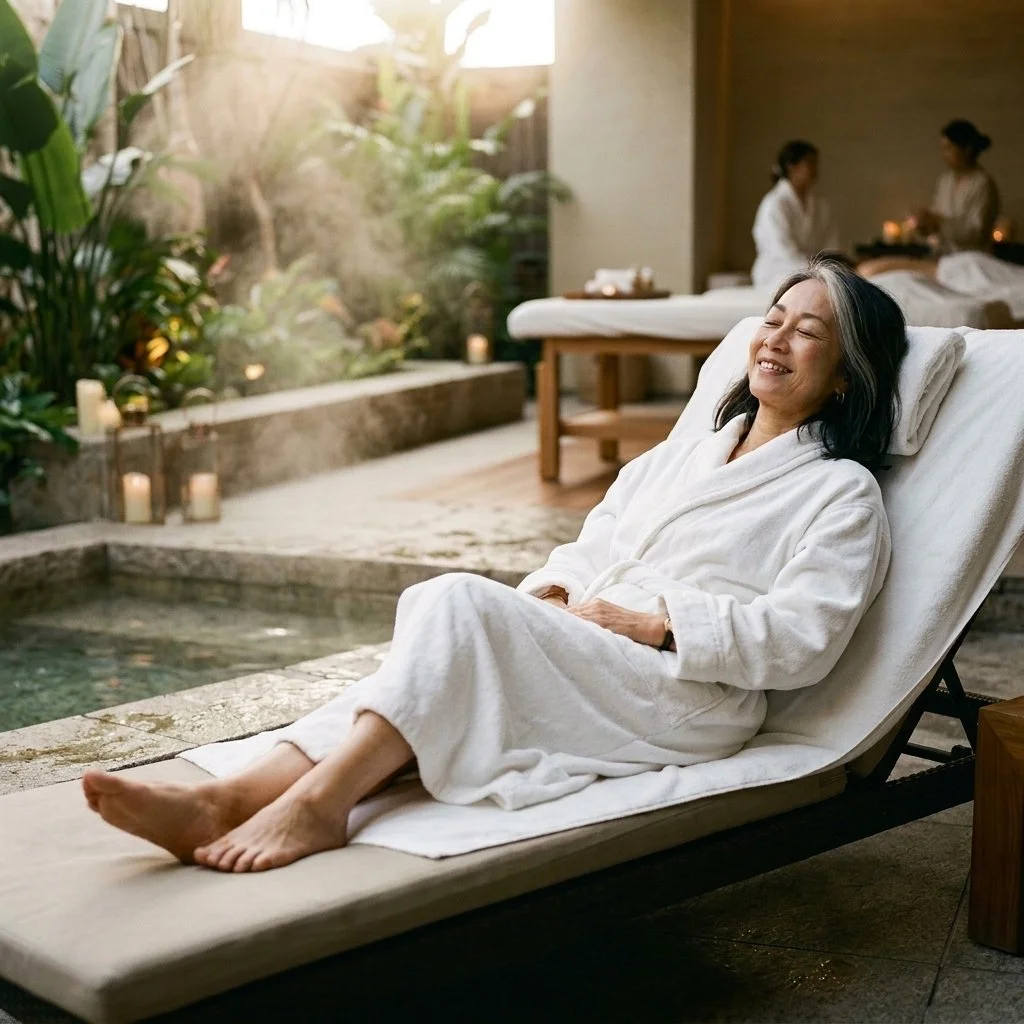
A hotel spa or multi-room wellness centre has different requirements from a solo therapist. Music needs to work across different treatment types happening simultaneously, hold up to eight or more hours of continuous daily playback without fatiguing staff, and feel appropriate in reception, corridors, and changing areas as well as treatment rooms. All-day playability and tonal neutrality matter more here than treatment-specific character. A single track that blends into the environment is worth more than five specific ones that require managing.
What Kind of Music Do Massage Therapists and Spa Venues Actually Use?
The most common choices — and the problems with each.
-
Convenient, but legally problematic in any commercial context. Personal streaming subscriptions cover personal listening only. Playing music during paid sessions or in a commercial venue — even at low volume — requires a separate commercial licence. Using Spotify in your practice or spa without the right licence is a copyright violation, regardless of subscription tier or how quiet you play it.
-
Free, plentiful, and almost entirely unlicensed for commercial use. The "no copyright" label on YouTube means the uploader isn't asserting copyright — it doesn't mean you have commercial rights to use it in a professional context. Many compilations use music registered with performance rights organisations without the uploader's knowledge.
-
Built for video and content creators, not wellness professionals. Licences often exclude downloadable audio, recorded sessions, and commercial premises. The music itself isn't designed for therapeutic use — it's engineered to sit under a voiceover or a product demo, not to hold a treatment room for sixty minutes.
-
The correct solution for both individual therapists and venues. Royalty-free doesn't mean free — it means a one-time licence fee replaces ongoing royalty payments. A proper commercial licence covers your practice or venue: live sessions, in-premises playback, recorded treatments, online content. No subscription. No renewal. No attribution required.
Music Licensing for Massage Therapists and Spa Venues: What You Actually Need
This is the part most therapists and venue managers skip. It's also the part that matters most.
When you play music in a paid session or a commercial venue, you are using it commercially. It doesn't matter that the music is quiet. It doesn't matter that clients don't come to you for the music. It doesn't matter that you're a sole trader rather than a hotel chain.
Commercial use triggers licensing requirements. That's the legal reality in the US, the UK, and most other markets.
-
Live playback during paid sessions
All-day in-venue playback across treatment rooms, reception, and communal areas
Recording your voice over the music for guided audio content
Using music in online courses or membership content
Distributing recordings to clients
-
Any commercial use in a professional or venue context
In-premises performance (this is a separate licence category)
Recording or distributing music with your voice over it
What performance rights licences cover — and what they cost:
In the US, ASCAP and BMI are the two main performance rights organisations. Playing music publicly in a commercial space technically requires a licence from both — they cover different catalogues. Combined costs for a small business typically start around $300–$500 per year and increase with venue size and revenue.
In the UK, PRS for Music administers similar blanket licences. Small business tariffs start from around £100–£200 per year, with separate PPL licences required for recorded music.
For a solo massage therapist or a small spa, this is significant ongoing cost for access to music that isn't designed for therapeutic environments. Royalty-free music with a commercial licence sidesteps all of it. One purchase. Perpetual rights. No renewal, no PRO registration, no ongoing cost.

How to Use Music Effectively in Your Sessions and Venue
-
![]()
Choose the right character for the treatment type
Not all ambient music serves every session equally. Still Water suits deep tissue, float, and sauna — its minimal, dark texture provides grounding without direction. Open Air suits facials and lighter bodywork — airy and present without heaviness. Clear Flow works across every treatment type and is the natural default for hotel spas and multi-room venues that need consistent all-day playback.
-
![]()
Set volume before the client enters
The right level is audible but not the first thing a client notices when they walk in. Setting it too low is a common mistake — the brain strains slightly toward quiet sound, which works against relaxation. Aim for the music to feel like part of the room rather than a source of sound in the room.
-
![]()
Use a dedicated device for audio
Playing music from the same phone you use for bookings, messages, and timers is a liability. Notifications interrupt sessions. A dedicated tablet, media player, or venue audio system removes the risk entirely. For multi-room venues, a centralised system with room-level volume control is worth the investment.
-
![]()
Don't loop short tracks
If your current setup involves a 10-minute track repeating six times, clients are noticing — even if they don't say so. The brain detects loop points because it's designed to track pattern changes. A single 60-minute track eliminates this problem entirely.
-
![]()
Keep your licence documentation on file
If your venue is ever questioned about the music playing on the premises, you need to produce your licence immediately. Melobleep commercial licences include a PDF confirming your rights. Keep a copy with your business documents.
-
![]()
Hotel Spa and Multi-Room Venues
A hotel spa or multi-room wellness centre has different requirements from a solo therapist. Music needs to work across different treatment types happening simultaneously, hold up to eight or more hours of continuous daily playback without fatiguing staff, and feel appropriate in reception, corridors, and changing areas as well as treatment rooms. All-day playability and tonal neutrality matter more here than treatment-specific character. A single track that blends into the environment is worth more than five specific ones that require managing.

The Professional Standard for Treatment Rooms and Spa Venues
The music in your treatment room or spa is part of your professional environment. Clients and guests notice when it's wrong — even when they can't articulate why.
Getting it right doesn't require a PRO licence, an expensive annual subscription, or hours of playlist curation.
Explore Melobleep's Spa & Treatment Room Packs and get your commercial licence.