Sound Bath Music for Practitioners — Professionally Licensed, Session-Ready

Most sound bath practitioners are playing unlicensed music. They don't know it. And the music they're using wasn't built for this anyway.
Finding the right sound bath music is harder than it looks. The obvious places — YouTube, Spotify, ambient playlists — are either legally off-limits for commercial use or designed for passive listening, not for holding a room through a 60-minute session.
This guide is for practitioners running sound bath sessions professionally — whether in a spa, retreat centre, wellness studio, or as a standalone offering. It covers what makes sound bath music work at a technical level, what the licensing reality actually is, and where to find music that was built for this specific use case.
What Sound Bath Music Actually Does
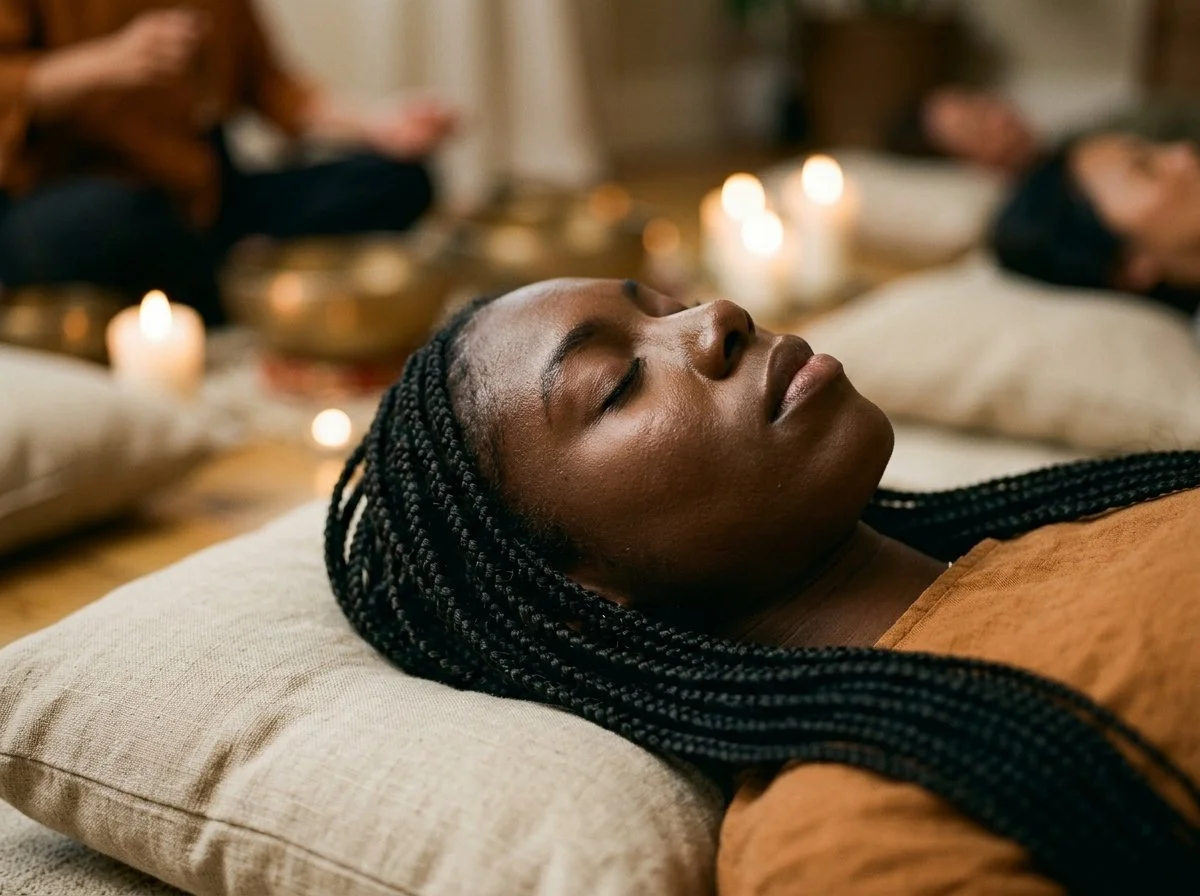
Sound bathing isn't passive listening. It's an immersive experience where sound becomes the primary therapeutic medium. The music isn't background. It's the treatment.
That distinction changes everything about what you need from it. A track that works as ambient background for a massage room will fail completely in a sound bath context — too much movement, too many transitions, too much character.
Sound bath music needs to hold a stable sonic environment. The brain registers change, not constancy. Music with frequent melodic movement, chord changes, or textural shifts keeps the listener's auditory cortex active and prevents deep relaxation. Sound bath music works by removing that stimulation, not adding to it.
It also needs to sustain over long durations. Sound bath sessions typically run 45–90 minutes. Music that loops obviously, shifts in character at the 20-minute mark, or has a clearly audible structure will break the state. You need continuous evolution — slow enough to feel constant, with enough movement to stay alive.
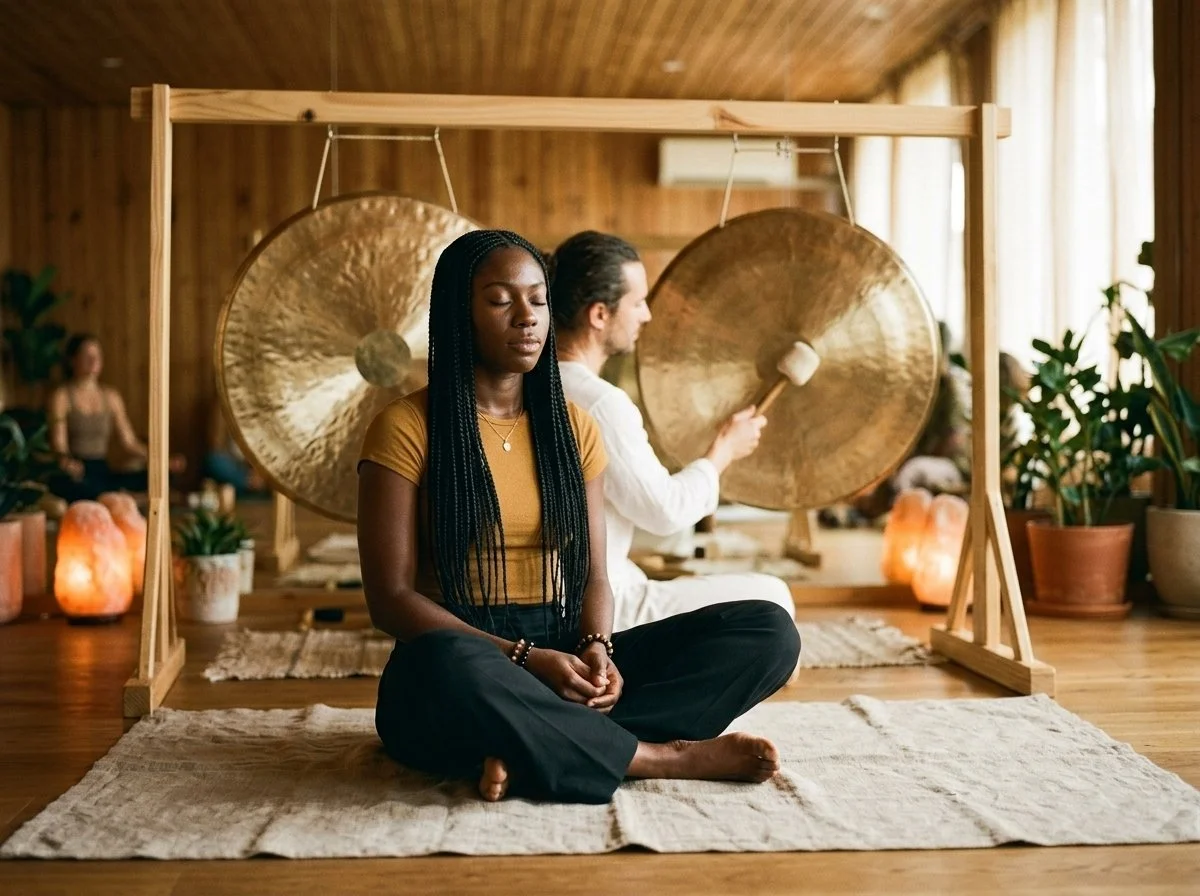
Sound baths involve real instruments — singing bowls, gongs, chimes. The background music needs to complement those live elements without competing. That means broad tonal beds, minimal melodic content, and frequencies that don't crowd the same space as your instruments.
And if you're running paid sessions, charging retreat fees, or streaming your work online, the music needs a commercial licence. That rules out most of what you'll find on consumer platforms.
The Consumer vs Professional Problem
Search for sound bath music and the first page of results is almost entirely YouTube playlists, Spotify compilations, and ambient listening content. That content was built for someone lying on a sofa at home.
The experience of listening to ambient music recreationally and the experience of running a professional sound bath session are not the same problem. The person lying on their sofa doesn't care if the music loops at 22 minutes. They don't care if a chord change pulls them slightly out of the state. They're not responsible for a room full of people who paid to be there. You are.
The difference between music that was designed for the purpose and music that happens to work in a pinch is felt by your clients even if they can't articulate it.
Can You Use Spotify or YouTube for a Sound Bath?
This is the question most practitioners have and rarely ask out loud. The honest answer: no.
Spotify, Apple Music, and personal streaming subscriptions are personal use licences. They do not cover commercial use — meaning any context where the music is part of a service you're providing for money. Running a paid sound bath session with Spotify playing in the background is a copyright infringement regardless of your subscription tier.
The same applies to YouTube. "Free to watch" is not the same as "free to use commercially."
Most practitioners running into this for the first time assume that because the music is available publicly, it's available to use. That assumption is wrong, and it can create real problems — Content ID claims, PRO enforcement action, or simply the reputational risk of being caught using unlicensed content in a professional setting. Our guide to music licensing for wellness venues covers the full picture, including how PROs operate and what a clean commercial licence actually looks like.
Royalty-Free Sound Bath Music — What It Actually Means
"Royalty-free" is one of the most misunderstood terms in music licensing. It does not mean free. It does not mean unrestricted.
Royalty-free means you pay a one-time licence fee rather than an ongoing royalty each time the music is used. That's the payment structure — not the scope of permissions.
The scope of permissions varies enormously by licence. Many royalty-free libraries are still registered with a performing rights organisation (PRO) — ASCAP, BMI, PRS, PPL — which means that even with a licence from the library, a venue playing the music commercially may still owe PRO fees. The library and the PRO are separate.
This catches a lot of wellness venues off guard. If you're running sound bath sessions as part of a spa or wellness venue programme, this distinction matters particularly — the PRO obligation doesn't disappear just because the music came from a royalty-free library.
Melobleep music is composed entirely in-house and is not registered with any PRO. There is no collecting society with a claim on it. One purchase, one certificate, commercially cleared — no additional background music licence required.
What to Look For in Sound Bath Music
Beyond licensing, the technical qualities of the music matter.
-
You need tracks long enough to run a full session without an obvious restart. A 10-minute loop that restarts every 10 minutes will surface your clients from the state every time it cycles. Look for 45-minute, 60-minute, or longer continuous tracks.
-
Minimal chord movement. The music should feel like it's barely changing while remaining alive. A single evolving drone is more effective than a progression of chords.
-
Deep, warm tones — fundamentals in the 60–250 Hz range — support grounding and relaxation. Bright, high-frequency content activates the nervous system rather than settling it.
-
Any abrupt change — a new instrument entering, a shift in reverb, a volume jump — will register as a startle response. You want imperceptible evolution, not events.
-
Item description
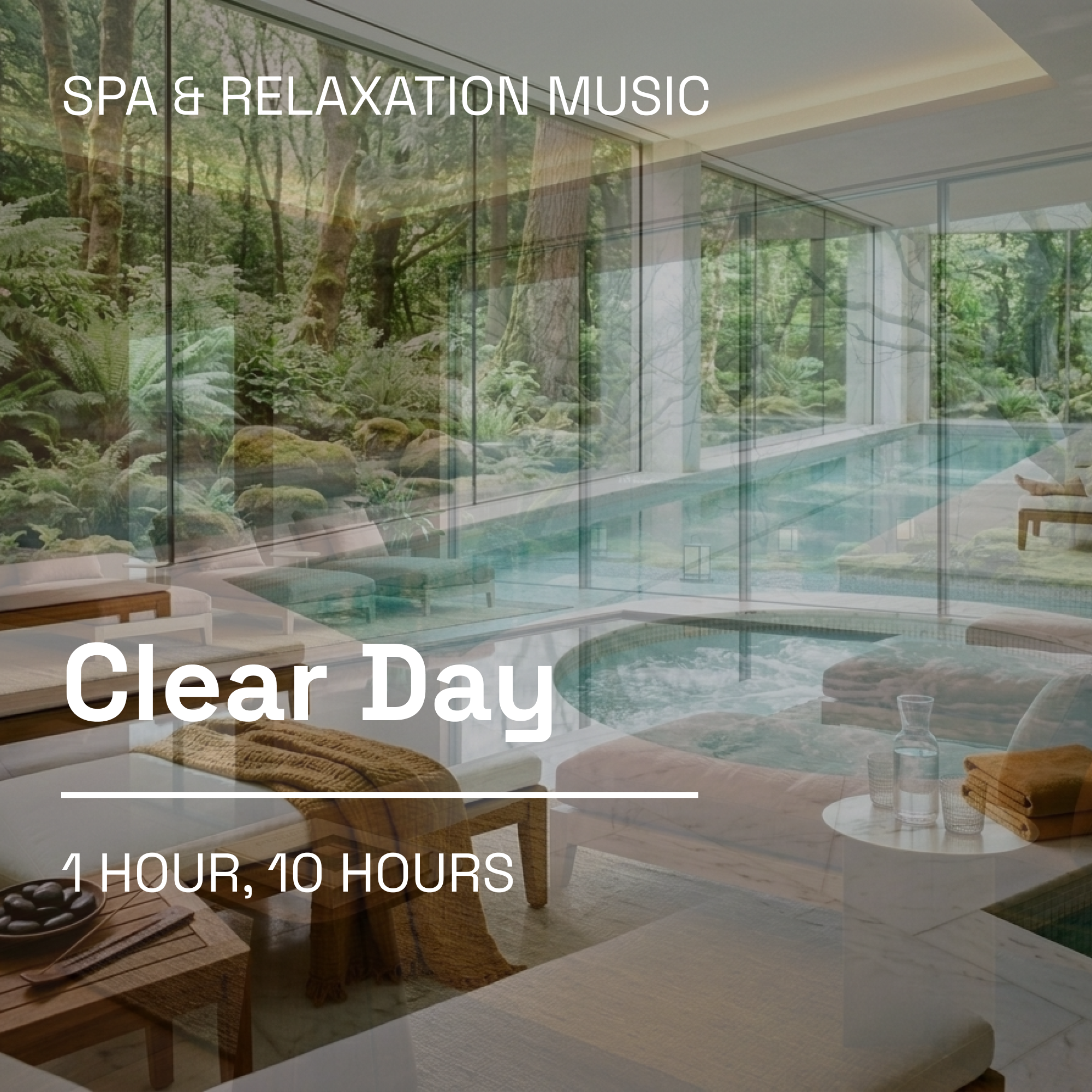
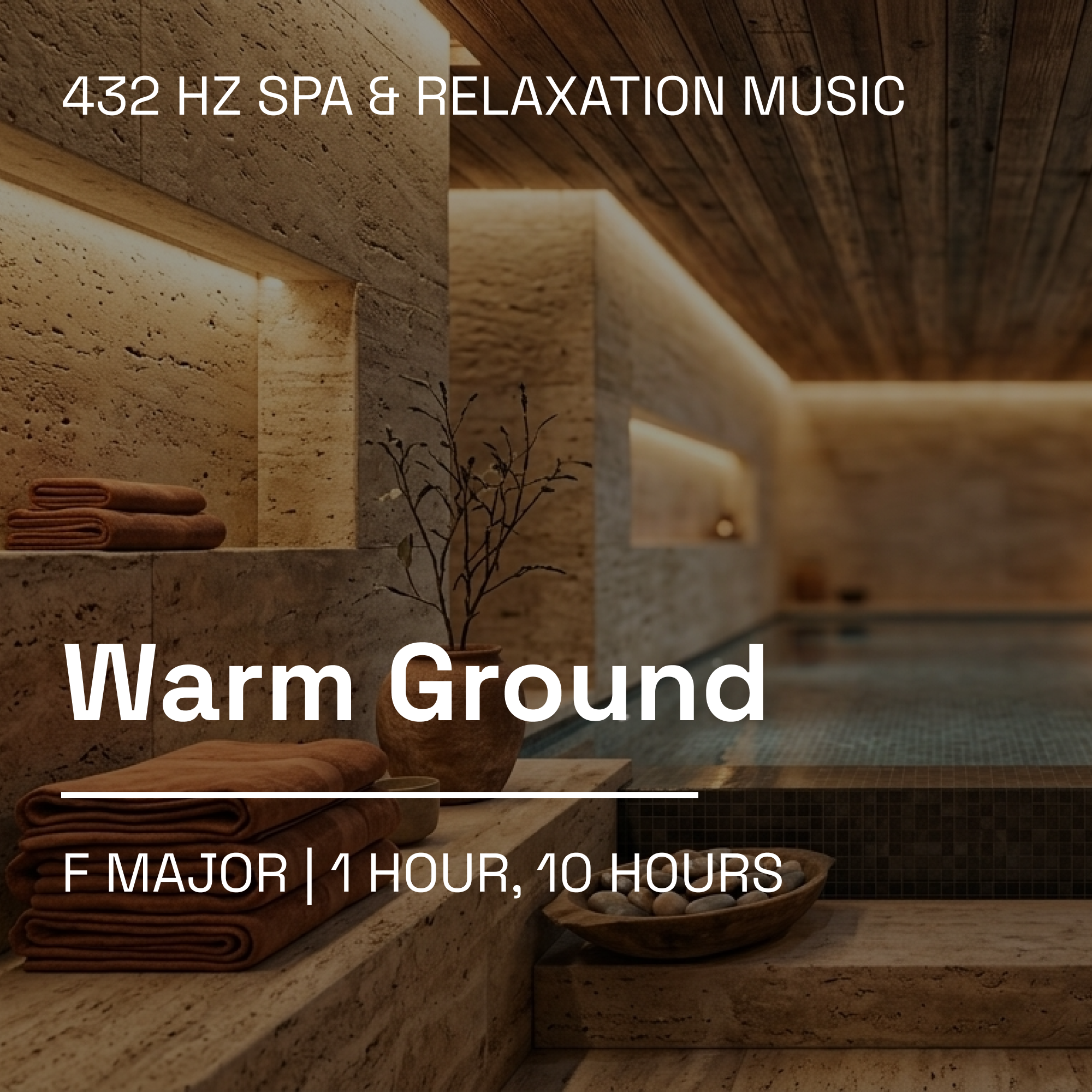
Melobleep for Sound Bath Practitioners
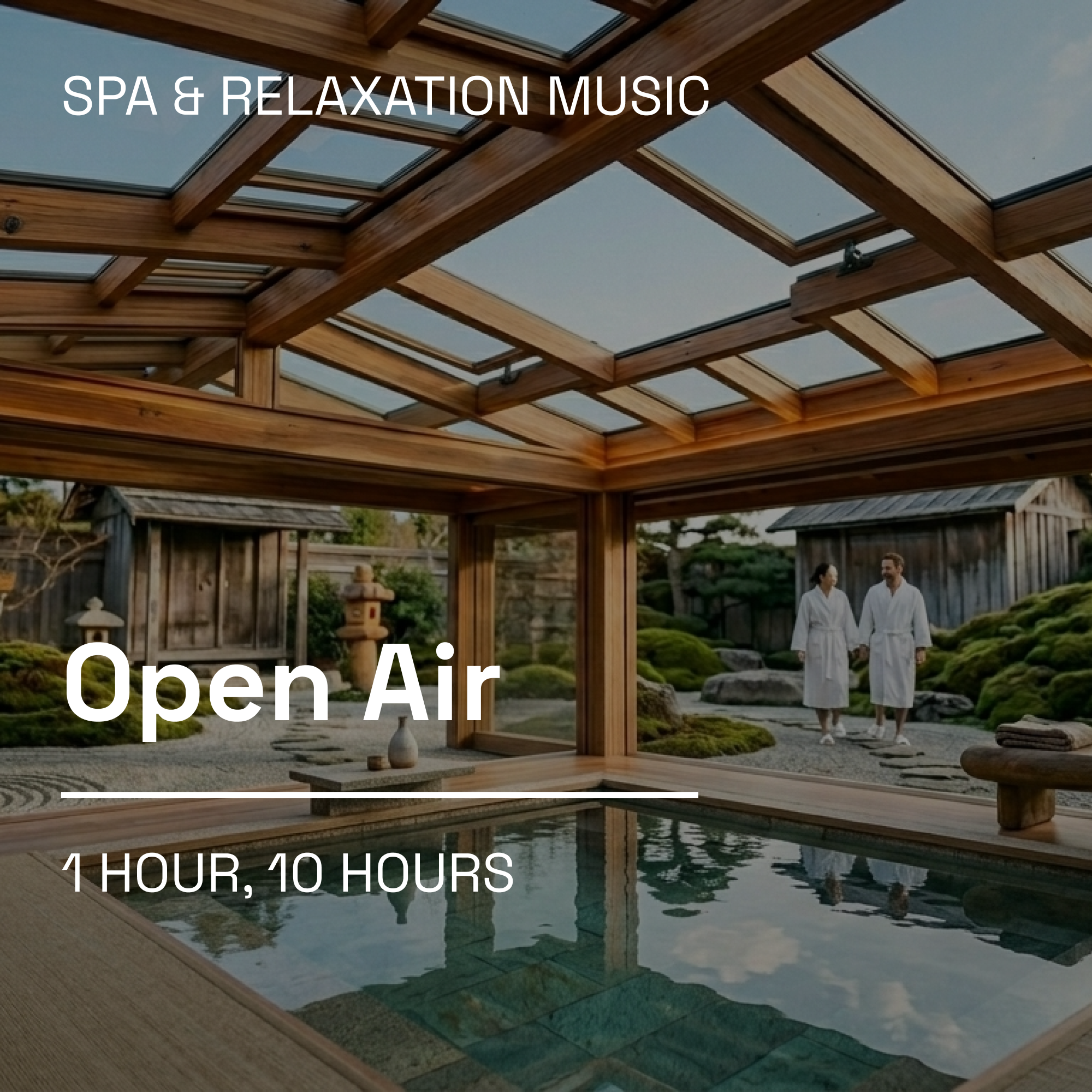
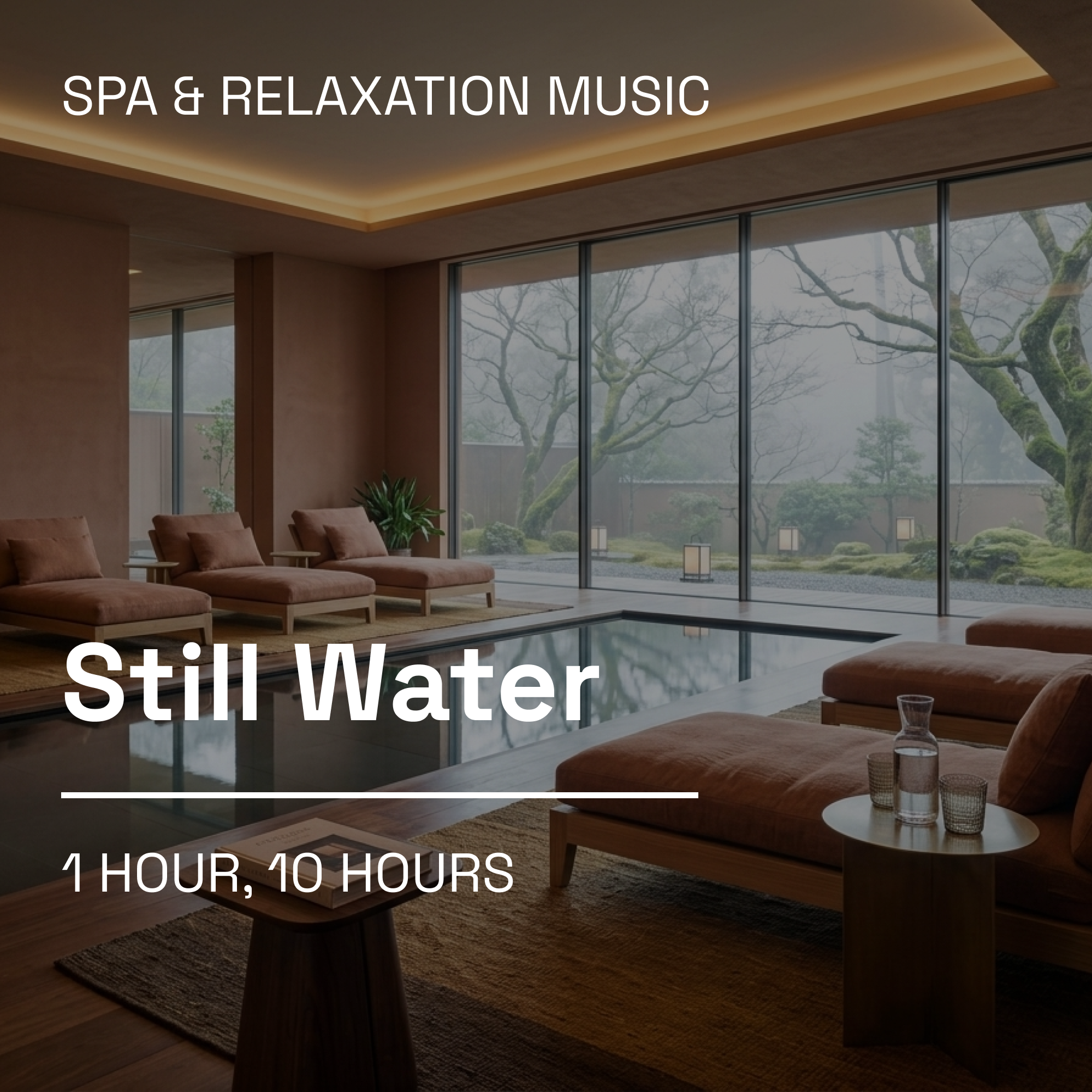
Composed for professional wellness use — not assembled from loops, not generated, not repurposed from another context. Every track includes a 1-hour and 10-hour version, a Commercial Use Licence Certificate, and is free from PRO registration. One purchase, permanent, covers your venue.
Using Sound Bath Music in Your Sessions
Already know what you need? Browse the full catalogue.
If you're new to running sound bath sessions professionally, our guide on how to create a sound bath covers everything from instrument setup to session structure.
Before the session
Set your levels before clients arrive. Sound bath music should sit below your live instruments — present enough to feel supportive, not so loud it competes. Test the balance with your bowls or gongs at playing volume, not just in silence.
Session arc
Use the longer track versions (45–60 min) as a continuous bed rather than managing multiple shorter tracks. The last thing you want mid-session is a track ending and a gap of silence while you navigate a device.
Live instrument integration
If you're playing singing bowls or gongs over the music, choose keys that complement rather than clash. Check your bowl tunings before the session and select the music track accordingly.
Recording and streaming
If you record sessions for clients or stream online, your commercial licence covers this. Use the Music-Only version for sound bath recordings where no narration is present.
Venue use
For spas and wellness venues running sound bath sessions as part of a wider programme, the licence covers ongoing venue use. One purchase per track covers all sessions at your venue, indefinitely.
The Professional Choice for Your Practice
Sound bath music is not a background detail. It's a technical decision that affects the quality of every session you run.
Music that was designed for this context — stable, long-duration, commercially cleared, frequency-conscious — does a different job than ambient content pulled from a streaming playlist.
Explore Melobleep's Sound Bath Toolkits & Get Your Commercial Licence