

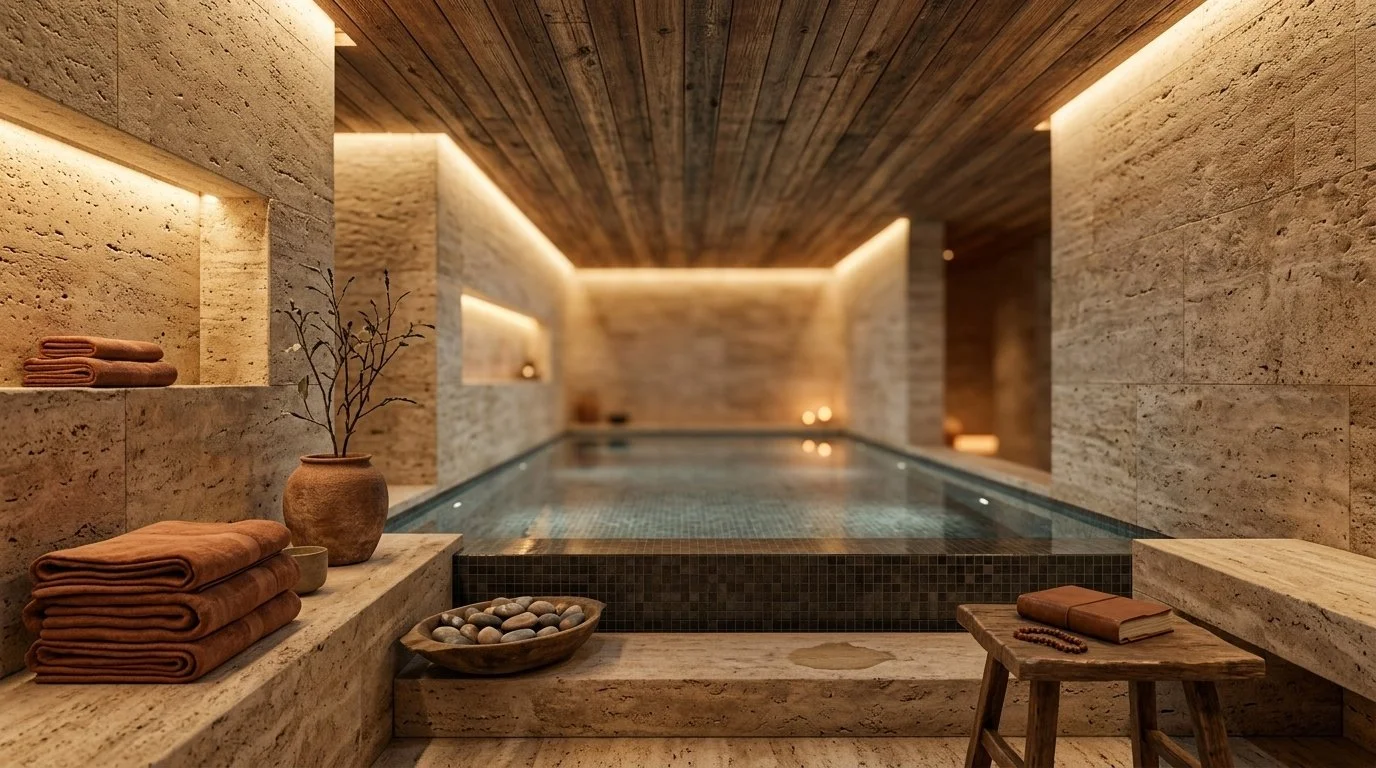
Music for Yoga Classes — Commercially Licensed and Session-Ready
Long-form music built for instructors and studios. Cleared for in-person, online, and recorded use.
The music in your class is doing more than you think. And most instructors are leaving that work to chance.
Every yoga teacher knows the feeling of a class that clicked — where the breath synced, the transitions landed, and the room held its own energy without you having to force it. And every yoga teacher knows the opposite: a session that never quite settled, where something felt slightly off without being easy to name.
The music is rarely the first thing blamed. It's usually the first thing responsible.
This guide is for yoga instructors and studio owners who want to make a deliberate, professional choice about the music in their classes — what works, what doesn't, and how to make sure it's legally cleared for every context you teach in.


/Warm%20Ground%20%20-%20THUMBNAIL1.png)


%20-%20All%20Lengths.png)


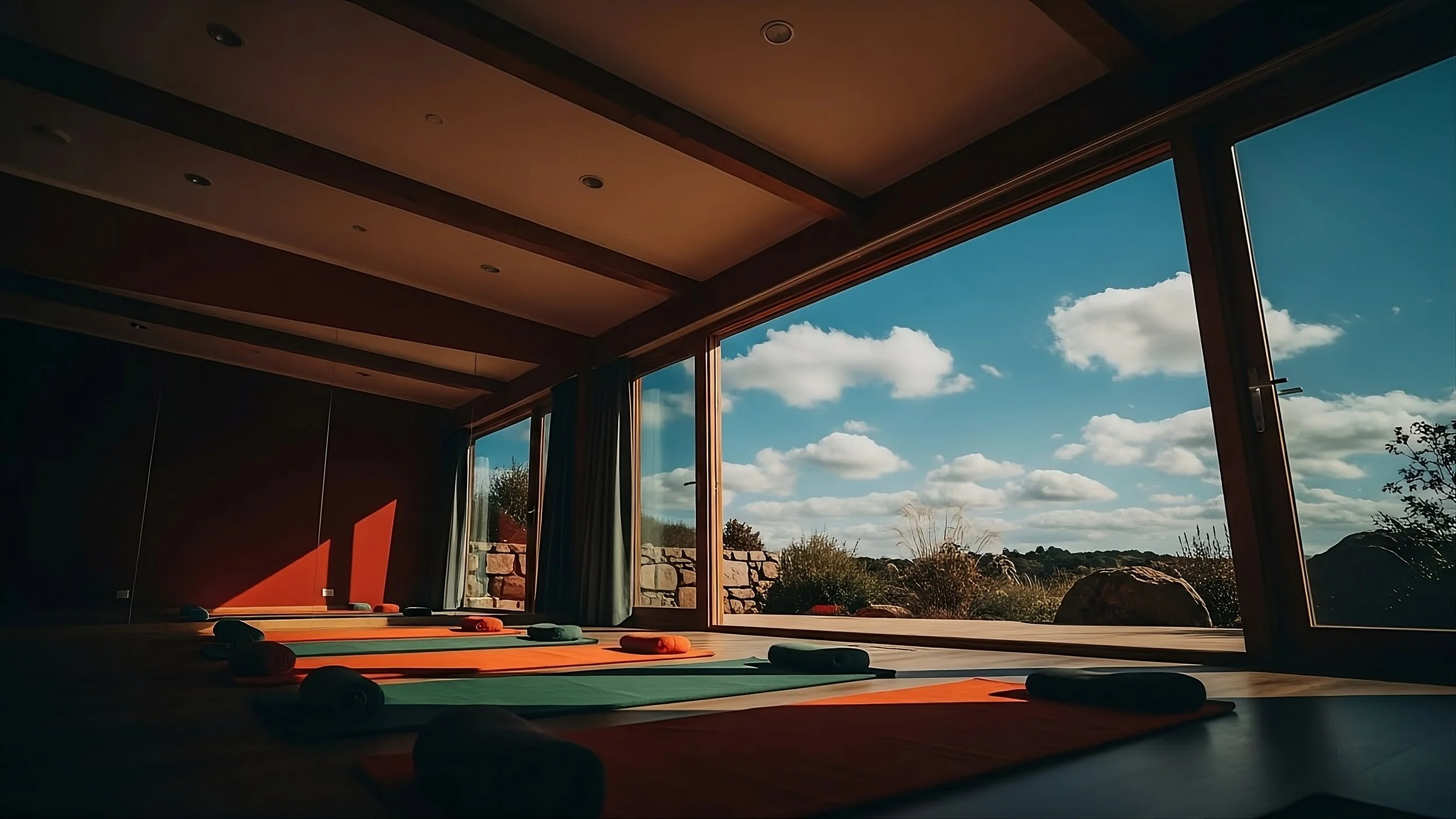
What Music Actually Does in a Yoga Class
In 2020, researchers found that yoga students unconsciously adjusted their breath pacing and movement transitions to match the BPM of the music playing — without being instructed to do so.
The music was doing cuing work the teacher didn't have to do verbally.
That finding matters because it means the music in your class is always active — always shaping pace, breath, and focus — regardless of whether you've thought carefully about it. There's no neutral choice. Music that's too fast pushes movement. Music that's too busy pulls attention toward itself. Music that ends mid-savasana breaks the state at exactly the wrong moment.
The question isn't whether your music is working. It's whether it's working for you or against you
What to Look For in Yoga Class Music
-
![]()
Tempo matched to practice style
Slow flow and yin yoga sit best around 60–80 BPM. Moderate vinyasa around 80–100 BPM. Dynamic vinyasa can push toward 100–120 BPM. The tempo of the music will influence movement whether you intend it to or not — the choice should be conscious.
-
![]()
No vocals
Lyrics activate language processing and compete directly with internal focus. They also compete with your verbal cues. Instrumental music is the standard for yoga for good reason — it supports attention without directing it.
-
![]()
Long-form tracks
A 60-minute class needs music that runs 60 minutes without an obvious loop, a jarring restart, or a gap while you navigate a device. Tracks designed for passive listening are typically 3–5 minutes. Stitching a playlist together mid-class is a distraction you don't need.
-
![]()
Imperceptible evolution
Music for yoga should feel alive without announcing itself. Abrupt tempo shifts, sudden new instruments, or key changes that land at the wrong moment will pull students out of the flow state.
-
![]()
Smooth frequency profile
Bright, high-frequency content activates the nervous system. Warm, mid-low tonal content settles it. For yin, restorative, and savasana work especially, the frequency character of the music matters as much as the tempo.
The Licensing Reality for Yoga Instructors
Most yoga instructors are playing music they're not licensed to use. Not out of negligence — out of a genuine misunderstanding of how streaming licences work.
Spotify, Apple Music, and YouTube are personal use licences. The moment that music is part of a commercial class — a session people paid to attend, a recorded course, a live stream — you're operating outside the terms of your subscription. The platforms know this. PROs like PRS and PPL in the UK, and ASCAP and BMI in the US, actively pursue instructors and venues playing unlicensed music in commercial settings. If you're asking yourself can I use Spotify in my yoga class, the short answer is no — and that post explains exactly why.
Online teaching adds another layer. Recording your voice over music and selling or distributing that recording requires synchronisation rights — which most streaming licences don't cover.
"Royalty-free" doesn't automatically solve this either. Many royalty-free libraries are still registered with a PRO. You pay the library for your licence, and the PRO still has a separate claim on venue or broadcast use. Our guide to music licensing for wellness venues explains this in full.
Melobleep music is composed entirely in-house and has never been registered with any collecting society. No PRO has a claim on it. One purchase covers in-person classes, online sessions, recordings, courses, and streaming — permanently, with no renewal.
Melobleep for Yoga Instructors and Studios
Composed for professional wellness use — not assembled from loops, not generated, not repurposed from stock. Every pack includes a 1-hour and 10-hour version, a Commercial Use Licence Certificate, and is free from PRO registration. One purchase, permanent, covers your studio.
Music for Different Yoga Styles and Classes
-
![]()
Yin and Restorative Yoga
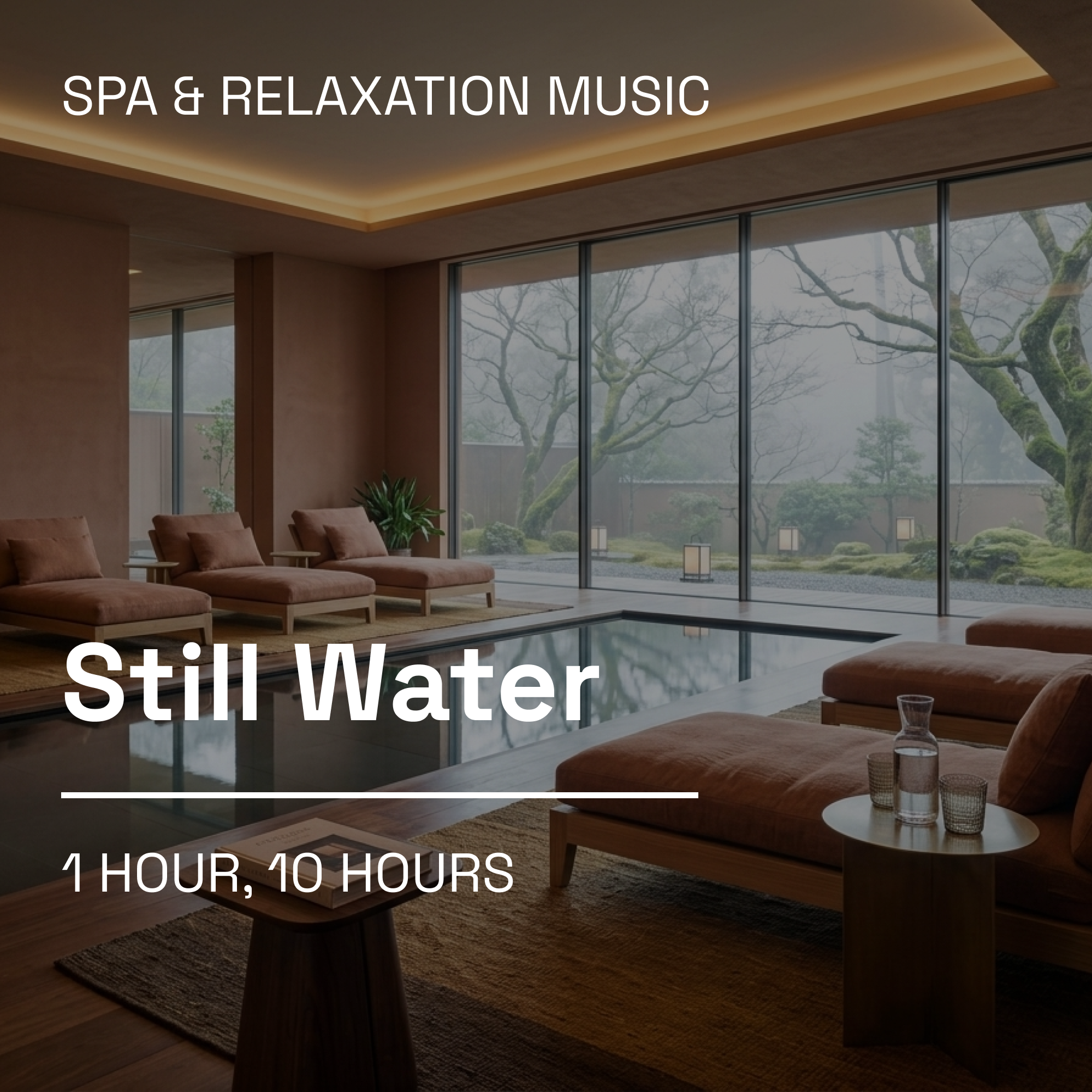
Long holds, stillness, and deep parasympathetic activation. The music needs to be slow, warm, and barely moving — something that feels like it's always been there. Still Water is ideal here: its calm, melancholic drone creates space without directing. Tempos around 50–65 BPM. No melodic content, no rhythmic pulse.
-
![]()
Slow Flow and Hatha
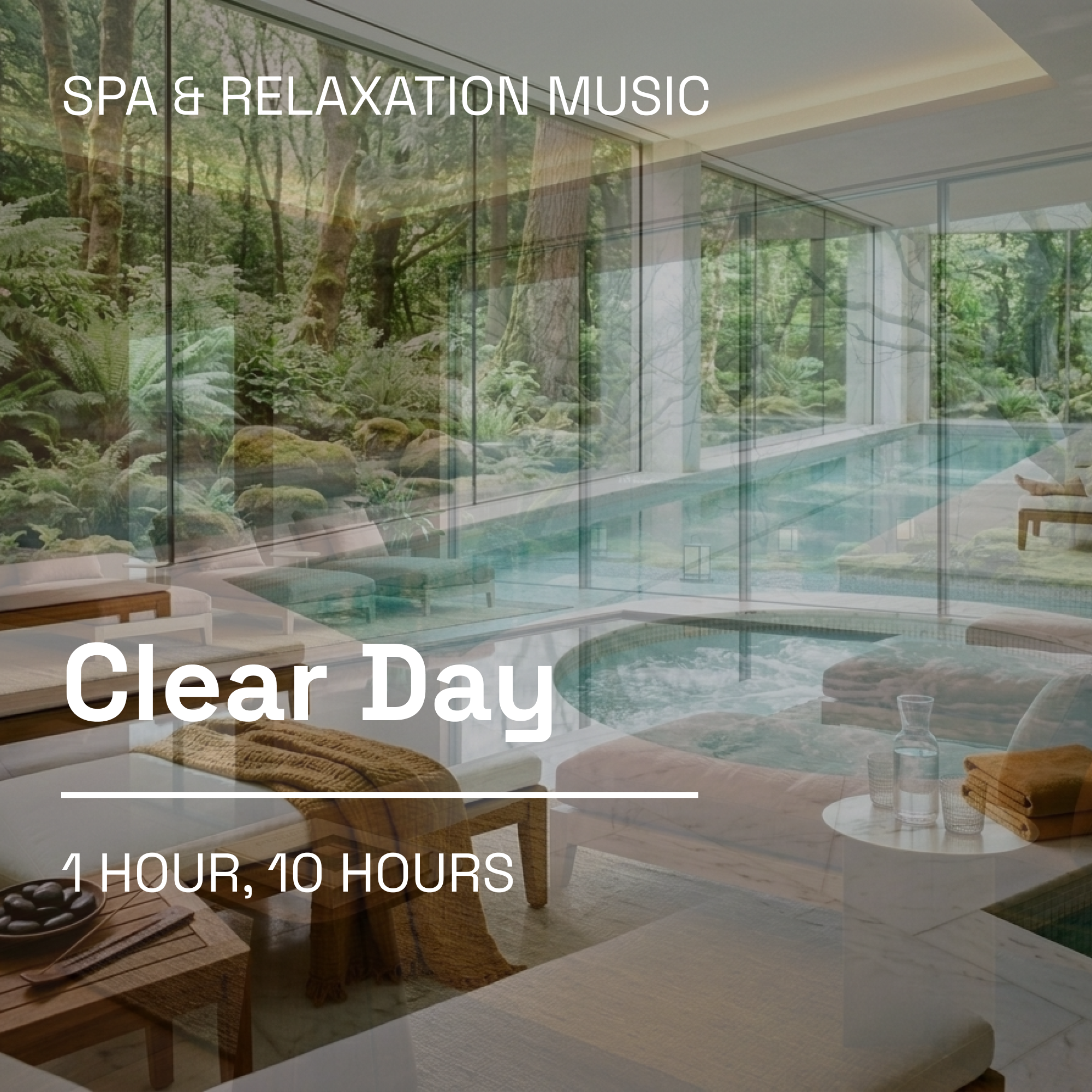
Gentle movement with breath awareness. The music can carry slightly more warmth and presence than yin — still instrumental, still unhurried, but with enough tonal character to feel intentional. Clear Day's light, arpeggiated quality works well here — easy to be around for a full hour without becoming predictable.
-
![]()
Moderate Vinyasa
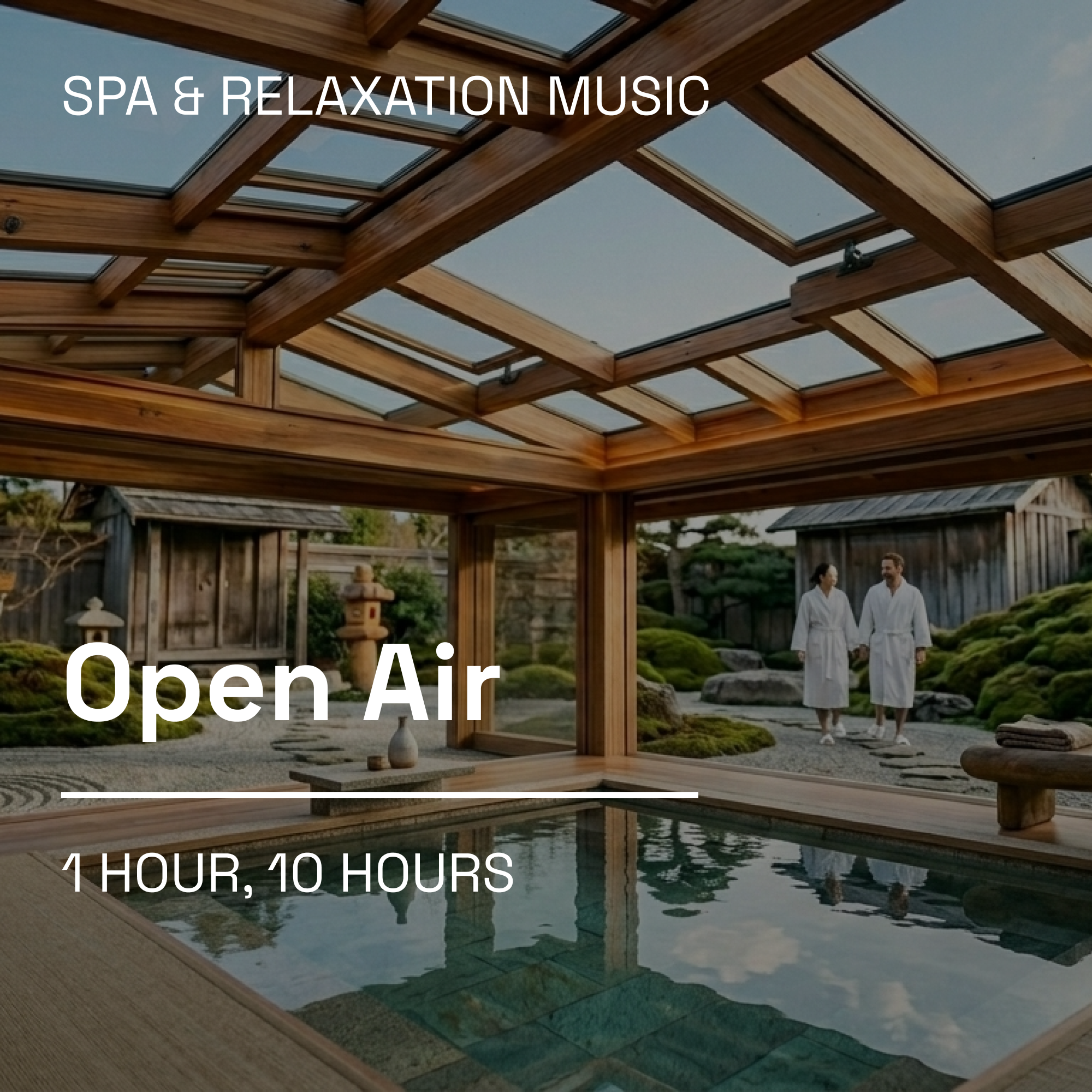
Flowing sequences with conscious transitions. The music should support momentum without driving it. Open Air — bright, wide, and easy — suits this well. Enough energy to feel alive, not so much that it pushes students faster than intended.
-
![]()
Dynamic and Power Vinyasa
Higher intensity, faster transitions, more active engagement. Music here can sit at the upper end of the BPM range and carry a broader sonic character. Still instrumental, still without lyrics, but with more presence and energy than a yin or restorative class would need.
-
![]()
Savasana
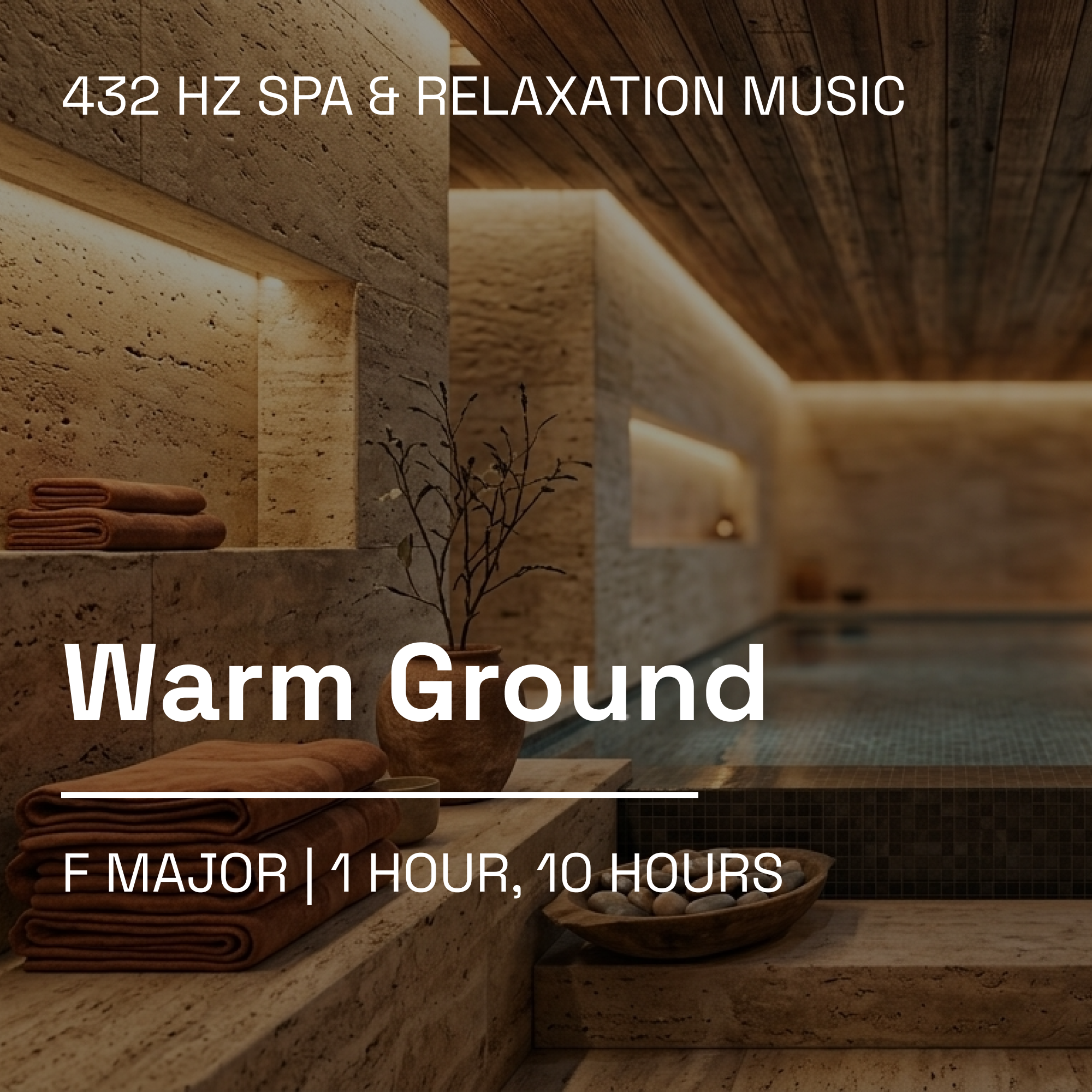
The final resting pose requires a complete reset from whatever came before it. Music that was appropriate for the active part of class is often too present for savasana. Warm Ground — rooted, unhurried, 432 Hz — works particularly well as a transitional track for the final portion of a session.
-
![]()
Online and Recorded Classes
If you're recording classes for YouTube, Insight Timer, Teachable, or any platform, your commercial licence covers synchronisation. Use the Music-Only version where no voiceover is present. The 1-hour version covers a standard recorded session; the 10-hour version runs a full day of live streaming without management.
Music That Does Its Job and Stays Out of the Way
The best yoga music is the kind students don't consciously notice — but would immediately miss if it wasn't there. Composed for the purpose. Commercially cleared. Long enough to run a full session without management.
Explore Melobleep's Spa & Treatment Room Packs and get your commercial licence.