


The Practitioner's Guide to Royalty-Free Music for Hypnosis
Licensing, Trance-Safe Soundscapes & Curated Toolkits for Hypnotherapists
You need music a client in deep trance won't notice — and a licence that holds up when you record the session and sell it.
Most hypnotherapists are running on neither. The track came from YouTube or a streaming playlist, chosen because it sounded calm. Whether it's cleared for the recordings you sell is a question nobody answered before you pressed record.
That gap is where the trouble sits. Not in the room — in the licence behind the music in every recording you've ever distributed.
This guide is for you. We'll cover what royalty-free actually grants you, what makes a track safe to use under trance work, and how to choose music you can use in live sessions, recordings, and audio products without legal uncertainty. If you want the deeper clinical detail on using music in session — volume, the hypnotic arc, binaural beats — that lives in our companion guide.

What "Royalty-Free" Actually Means for Hypnotherapy Recordings
Royalty-free does not mean free.
It means you pay once and owe no ongoing royalties for continued use. No per-play fees. No renewals. No cut of your audio-product sales. You license the music once, and the right to use it is yours.
That part is widely understood. Here's the part that catches hypnotherapists specifically.
Royalty-free describes how you pay. It says nothing about what you're allowed to do. And what you do is unusually demanding: you don't just play music in a room, you record it into products clients download, keep, and replay for years. Many "royalty-free" licences cover background use in a video but quietly exclude exactly that — embedding the music in a recording someone else takes away.
The label tells you the payment model. The licence tells you whether your sleep-hypnosis download, your smoking-cessation program, your custom client recording is actually legal. For a practice built on recorded audio, the licence is the whole foundation.
Why Hypnotherapy Needs Its Own Kind of Music
Music that works for meditation or relaxation can actively sabotage trance. A client in deep hypnosis has heightened sensitivity to tonal and volume shifts — a subtle transition that's pleasant in a yoga class can pull them back toward the surface at the worst moment.
So the bar is higher and more specific. Before a track is even worth licensing, it has to clear a few things.

Disappear Under Trance
The music must become inaudible to conscious awareness once the client descends — present enough to mask the room, transparent enough to vanish.

Leave Room for Your Voice
It has to sit clear of the frequency range your voice occupies, so suggestions land without competing with melody or instruments.
Stay Tonally Stable
No bright chimes, no dynamic builds, no sudden swells. Stability is what lets a nervous system trust the descent.

Hold a Single Unbroken Arc
A long-form track that runs the full session without looping or patching — because transitions between pieces jolt clients out of depth.

The Licensing Gaps That Catch Hypnotherapists
Most royalty-free libraries were built for video creators. Their licences assume you're scoring a YouTube clip — not recording a 45-minute regression a client downloads and keeps. That mismatch leaves specific gaps.

Recorded Products and Redistribution
If you sell sleep-hypnosis downloads, anxiety-relief audio, or custom recordings, the music travels inside a file someone else owns a copy of. Many licences permit use but forbid this kind of redistribution — which describes most of what a recording-based practice does.
Client Libraries and Replay
Recording sessions for clients to replay at home is a distributed use. A licence silent on it isn't granting it. Silence is not permission.
Platform and Editing Limits
A licence might cover one platform and not your membership site or app. And looping or trimming a track to fit a session can count as creating a derivative — restricted under some terms, exactly when you need a longer version.
None of these are edge cases. They're standard clauses in licences hypnotherapists rely on daily, having never read past "royalty-free." Using unlicensed music in client recordings can mean copyright claims, takedowns, or worse if you're selling the work.
Navigating Royalty-Free Music Licensing for Your Practice
When you play music during a paid session — in person, in a group, or in a recording you sell — you're using it for a commercial purpose. A personal Spotify or Apple Music subscription explicitly forbids this. Those licences are for personal, non-commercial use only.
Using unlicensed music in your practice is copyright infringement. The risk of a lawsuit may seem remote, but it undermines your professionalism and leaves you exposed.
So when you assess any source, ask these questions before you buy. Does the licence explicitly cover client recordings and downloadable products — not just streaming or background video use? Does it name the platforms you actually use, or stay silent and leave you guessing? Can you record your voice over the music — a right with a proper name, synchronization rights, that a licence should grant plainly? Is it perpetual, or does it expire or cap you by audience size or number of sales?
A good royalty-free licence from a reputable source gives you three things: legal peace of mind with clear documentation, professional integrity through fairly compensating the work, and simplicity — pay once, use it in your practice indefinitely.
If a source can't answer those questions clearly, the price doesn't matter. You're buying uncertainty.
Curated Melobleep Toolkits for Hypnotherapy
You don't have time to vet thousands of tracks against the criteria above. Melobleep is built to remove that work.
Melobleep is a practitioner-first sound library. The music is engineered for therapeutic use, and the licence is written for how practitioners actually work — one purchase, perpetual, no attribution, covering live sessions, recorded products, courses you resell, monetised platforms, and client libraries. No restriction by audience size or number of sales.
Every toolkit includes a Voice-Ready mix — a version with a strategic EQ dip and lower loudness so your voice sits cleanly on top instead of fighting the music. For recorded hypnosis work, that single feature separates a professional product from a muddy one. Most generic libraries don't offer it at all.
Organised by what the session needs to do:
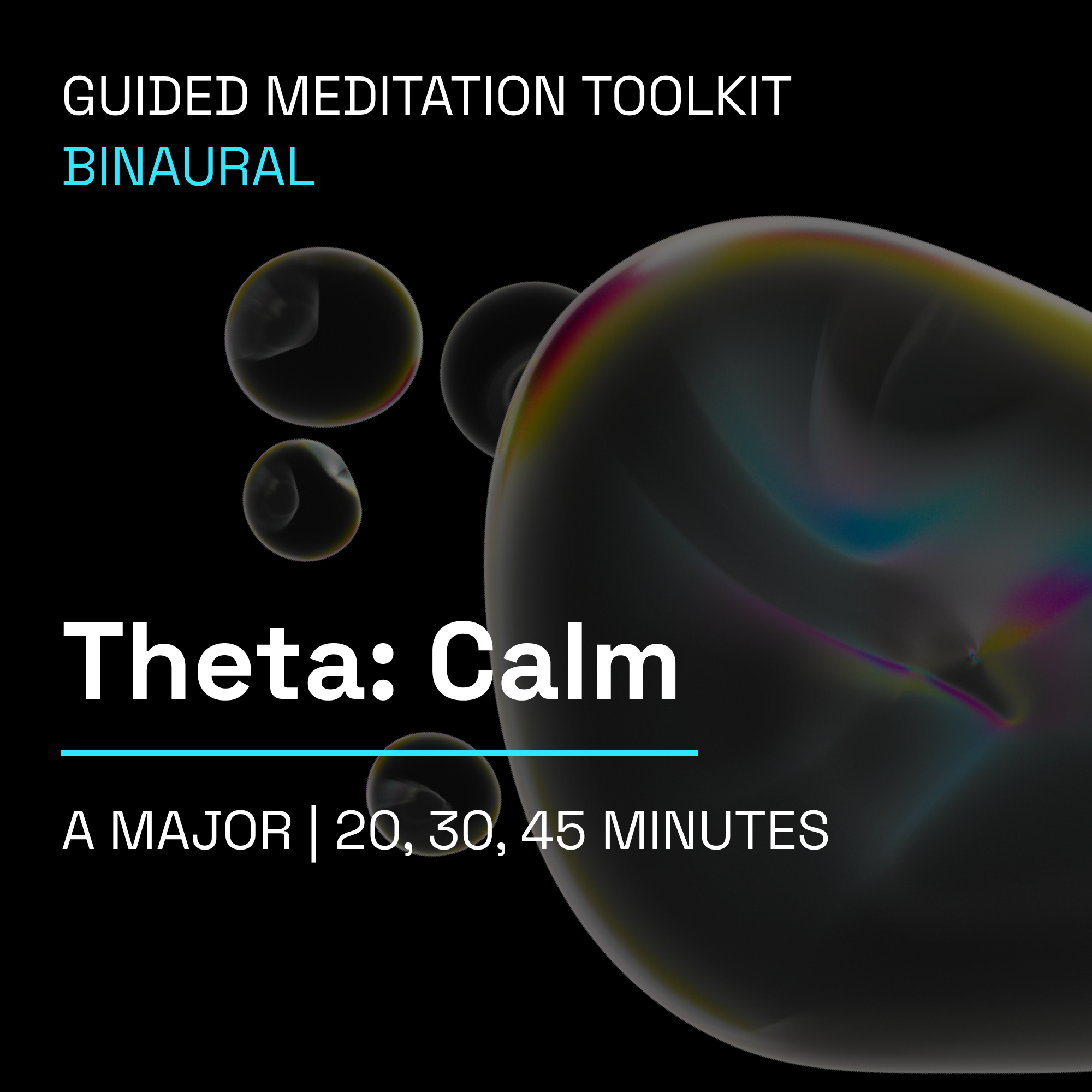
Theta Calm holds a warm, safe theta state without heavy or brooding qualities — built for hypnotherapy, regression, and yoga nidra, and it works in both open rooms and headphone 1:1s.
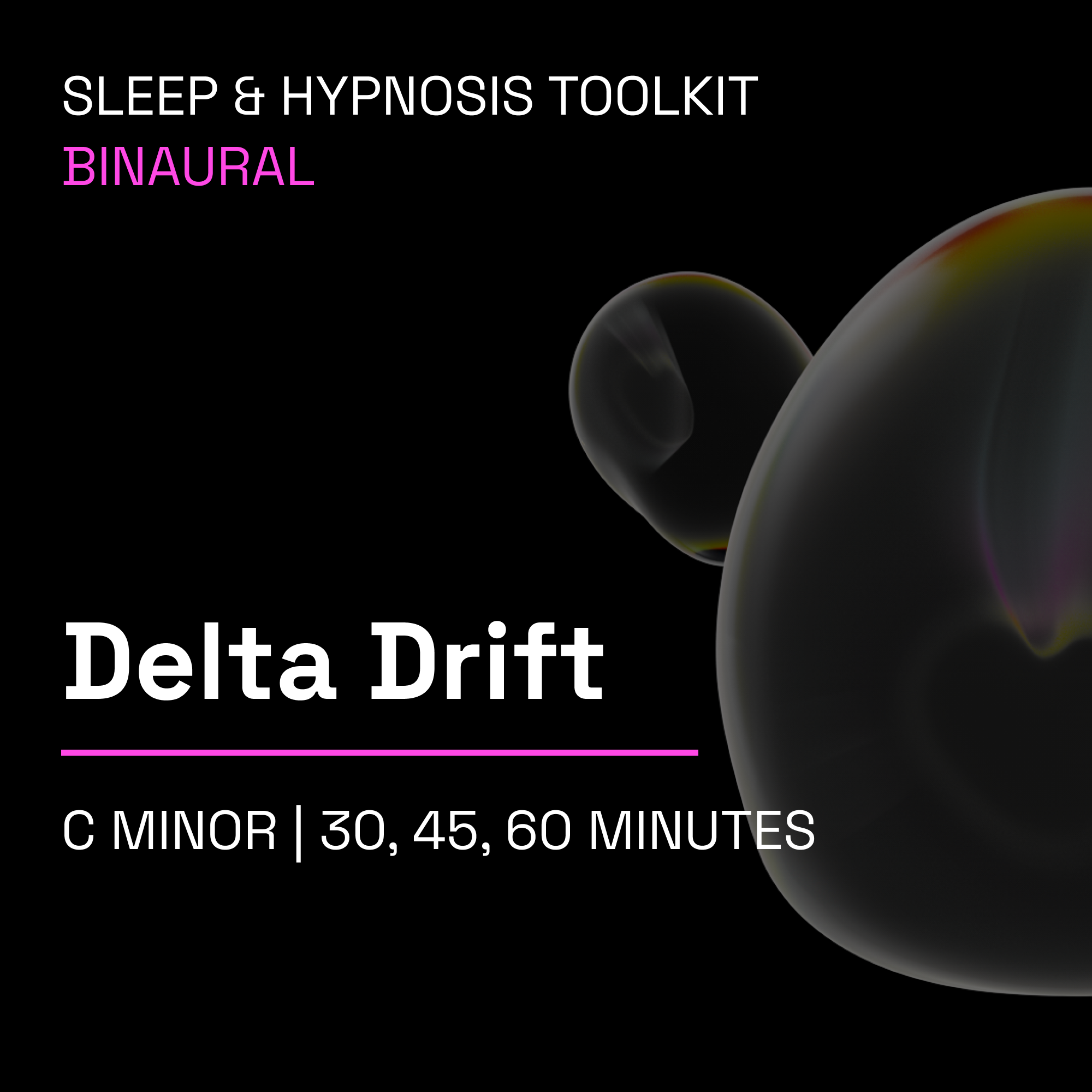
Delta Drift carries a client from wind-down into deep sleep with no noticeable transitions — for sleep-hypnosis downloads and bedtime audio products.
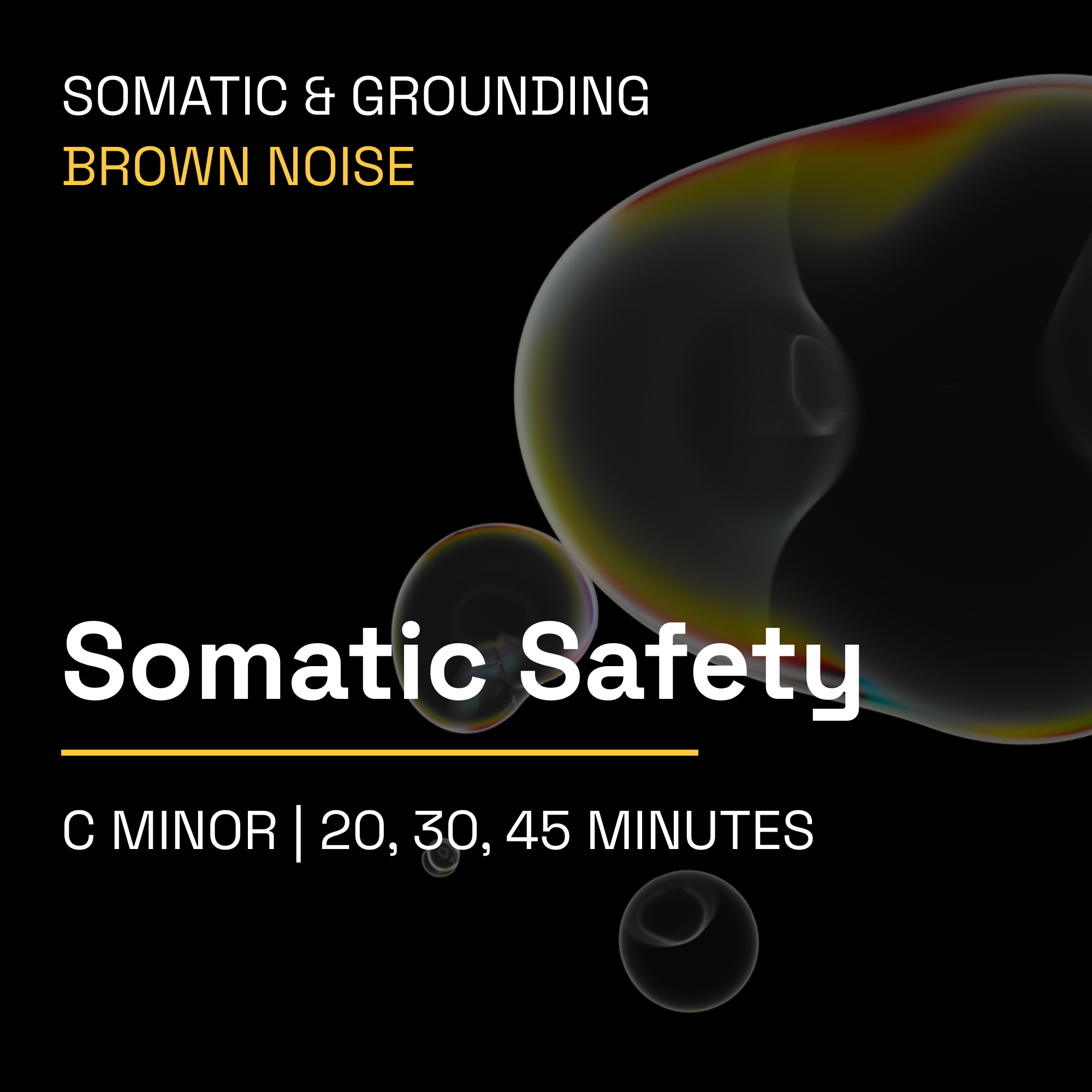
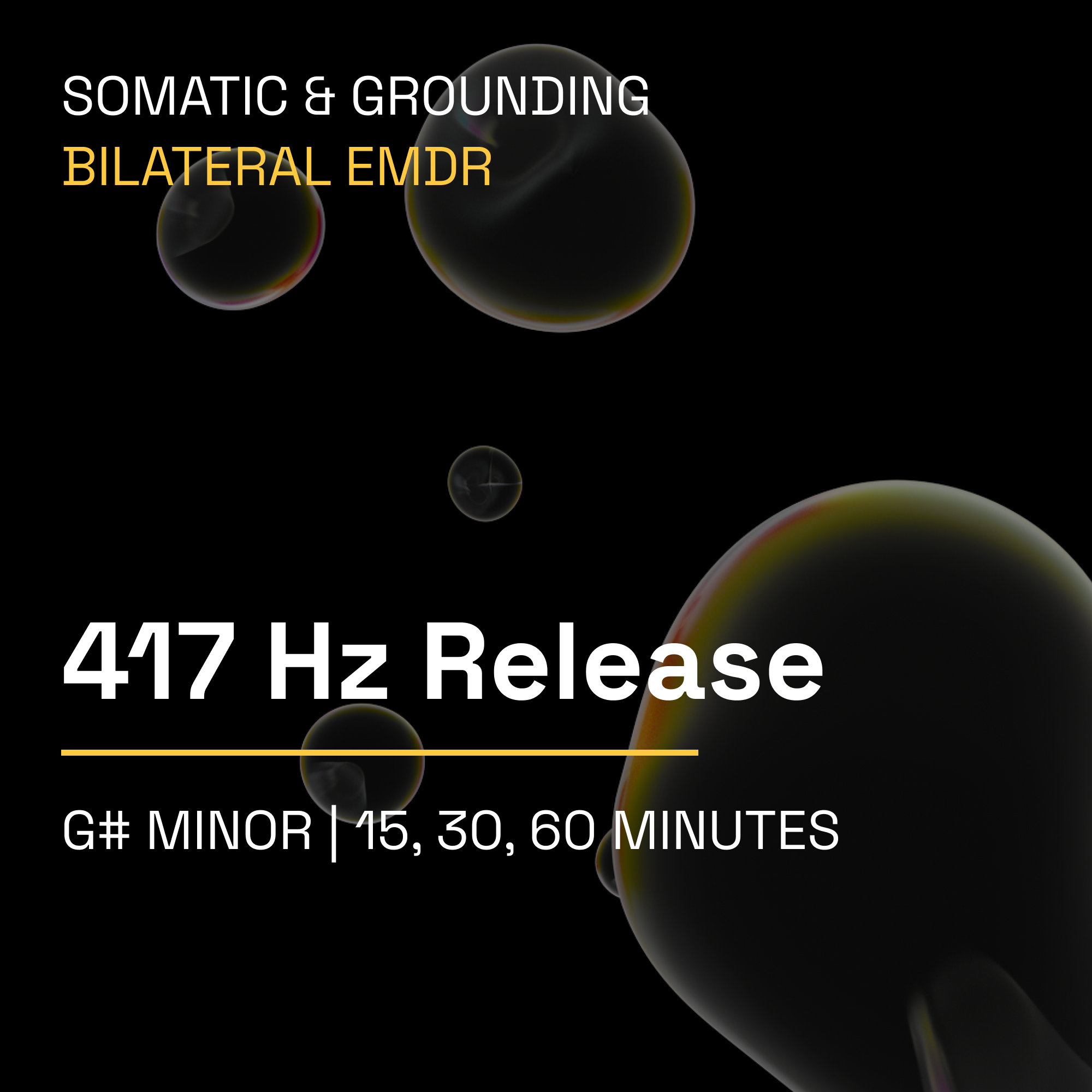
Somatic Safety holds a stable, non-musical grounding bed for trauma-focused and regression work where stability matters most.
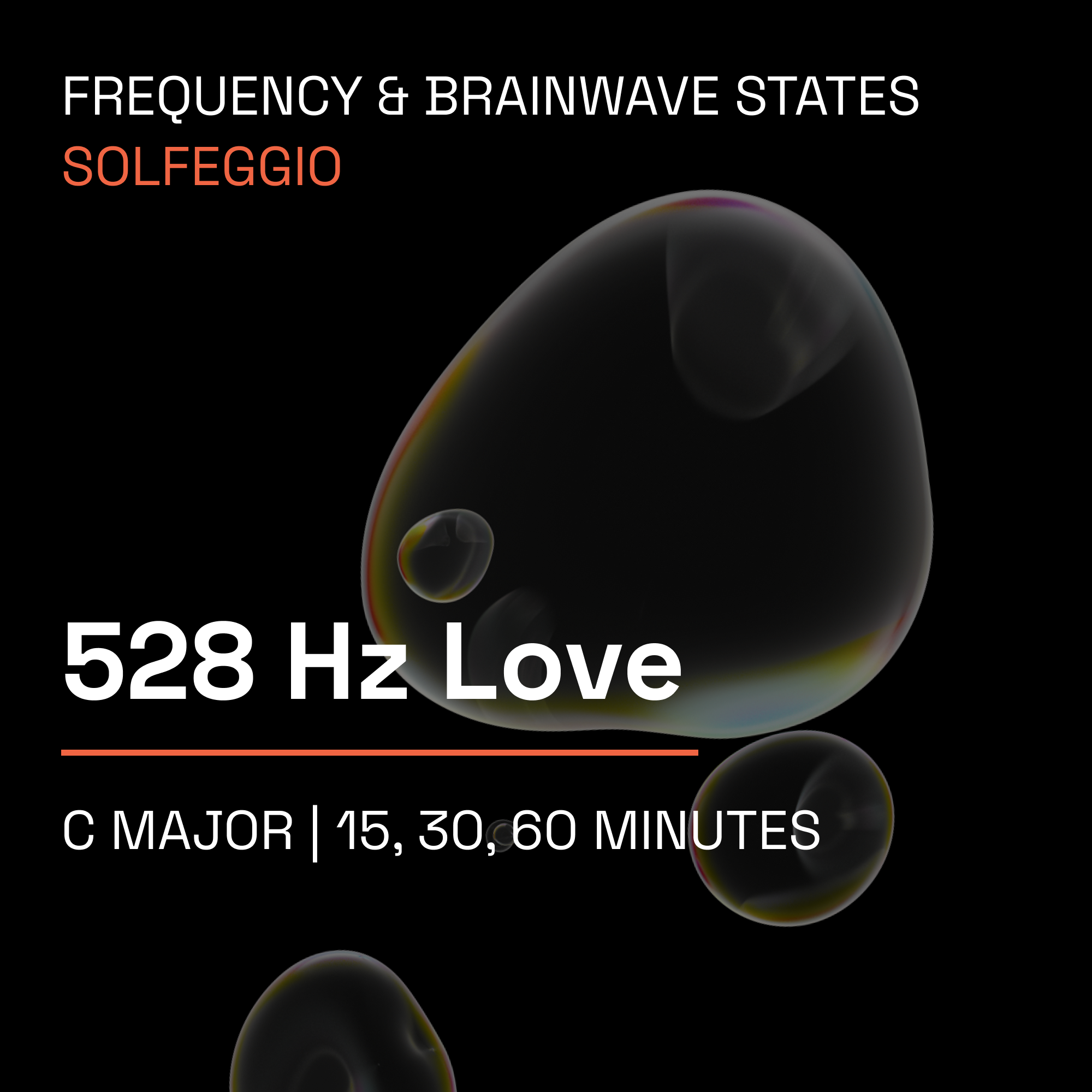
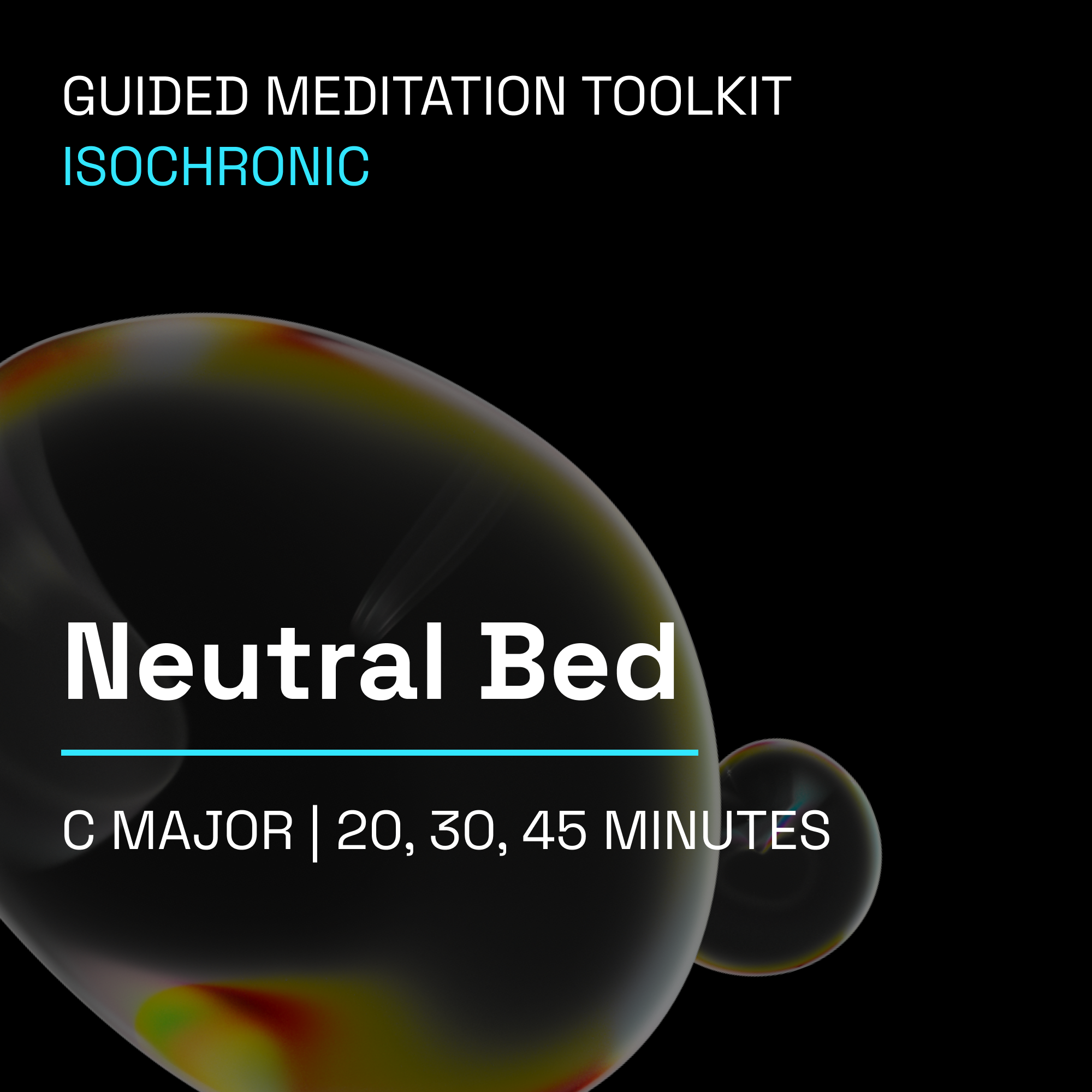
Each is a complete toolkit, not a single track — multiple session lengths, full music mixes for live playback, Voice-Ready mixes for recordings, studio-grade WAVs and fast MP3s, and the commercial licence.
Explore Melobleep's Meditation Music Collections & Get Your Commercial License
Using It Well in Session
Licensed, trance-safe music is the foundation. Using it skilfully is the next step — and the full clinical detail is in our companion guide. [INTERNAL LINK: blog post — Background Music for Hypnotherapy]
Keep It at the Threshold
Set the volume just audible — present when the client settles, fading from awareness as trance deepens. Always quieter than your voice.
Use the Voice-Ready Mix for Recordings
When you record, the Voice-Ready version keeps your voice clear and the product clean. The full mix is for live rooms.
One Track, Full Session
Choose a single long-form track that runs the whole arc rather than patching pieces together — continuity protects depth.
Let Silence Have a Place
For sound-sensitive clients or deep release work, silence can be the better choice. Music is a tool, not a requirement.

The Professional Choice for Your Practice
Royalty-free is a payment model, not a permission slip. The word on the label tells you how you pay; only the licence tells you whether the recording you just sold is legal. For a hypnotherapy practice built on audio that clients download and keep, that distinction is everything.
Choose music that disappears under trance and a licence that covers the recordings you distribute. Then you can stop worrying about copyright and get back to the work.