
Sleep Breath (4-7-8)
$45

Good breathwork music follows the pattern your clients are breathing. My breathwork toolkits have the pacing built in, so you can guide the session without counting out loud. One purchase covers every class, client and recording.
Each toolkit comes in 5, 10 and 20-minute versions. The 20-minute track gives you 10 minutes of paced breathing, then 10 minutes of calm music to rest in.
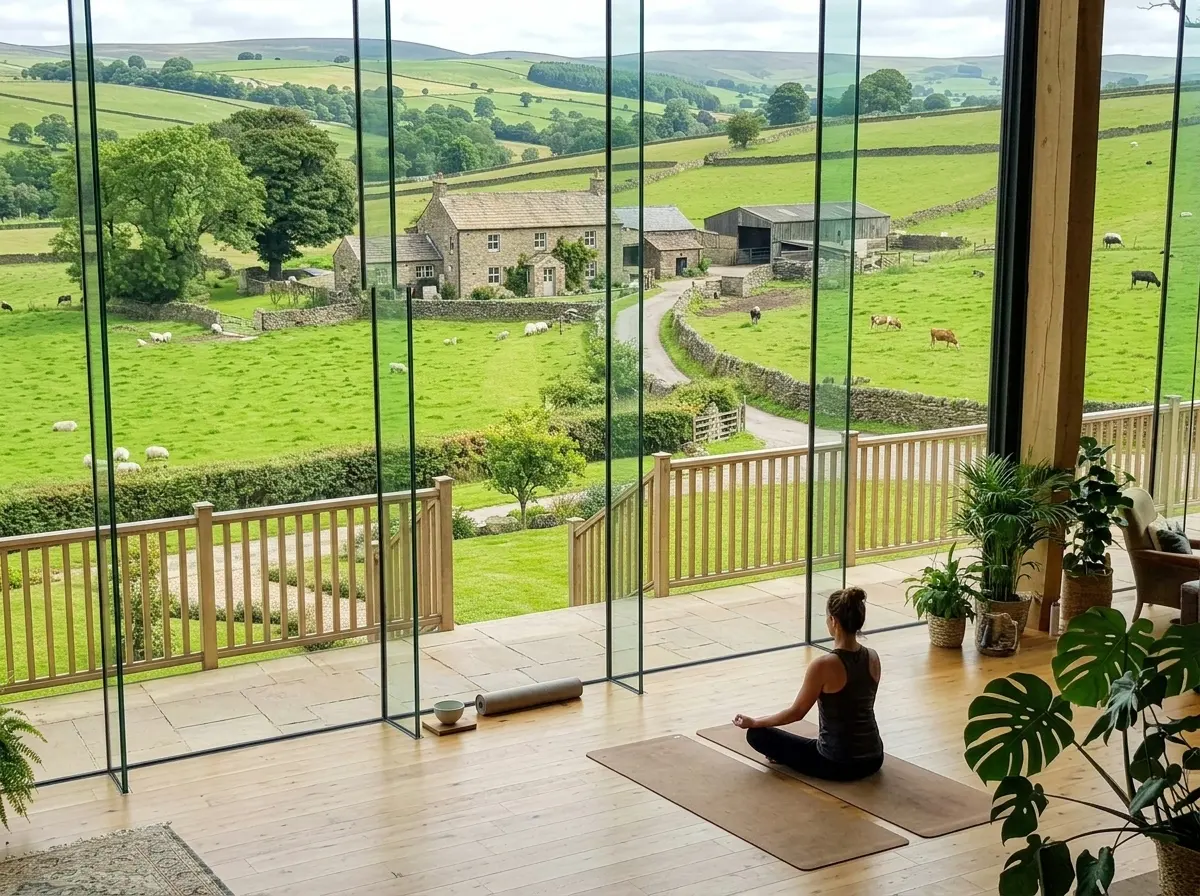
Match the music to the pattern first, then to the goal. Calming practice needs slow, even sound. Activating practice can carry more energy, but it still needs a steady pulse.
I go into more detail in my guide on how to match music to the breath.
Let the track pace the breath while you watch your client. Speak when it helps and stay quiet when it doesn't.
Everyone breathes to the same cue, in the room or on Zoom. You won't need to count over the music.
Record your guidance over a toolkit and sell it as an audio practice, a course module or part of an app.
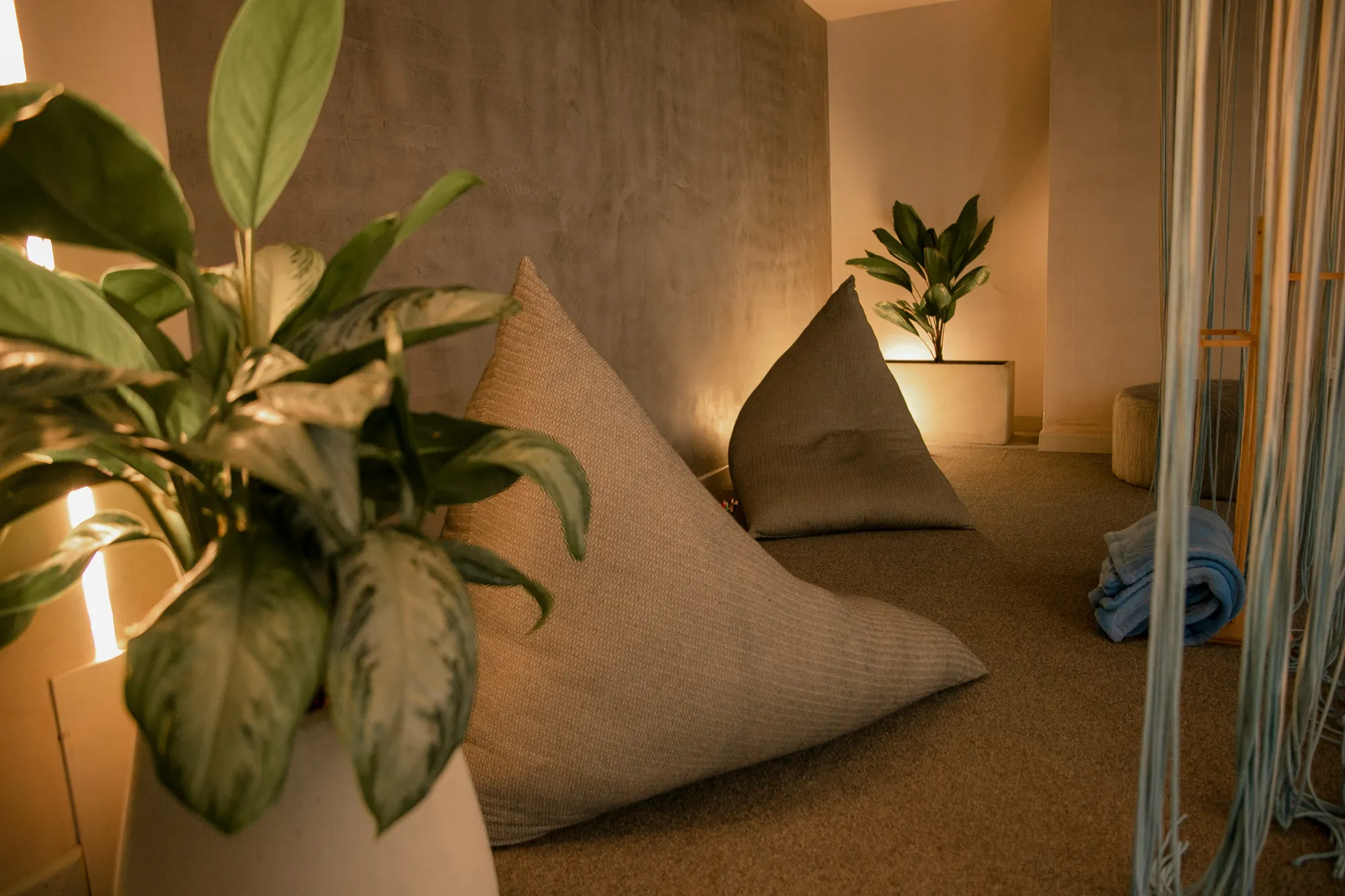
Royalty-free breathwork music, licensed for paid work.
Classes, 1:1 work, recordings, courses and apps are all covered by one purchase, for good. Nothing is registered with a PRO, so paid classes need no extra licence. The music isn't for all-day background play in a venue, and it can never be used to train AI.
The breath pattern matters more than the BPM. Box breathing works well at one beat per second, which is 60 BPM. For coherence breathing, look for music that rises and falls about every 5.5 seconds.
For paced patterns, a soft cue helps people keep time. For free breathing or rest, a beat can feel pushy. A smooth pad or drone is usually better there.
No. Streaming apps are licensed for personal listening only. Paid classes need music with a commercial licence, like the one that comes with every Melobleep purchase.
Long enough for the active breathing plus a rest at the end. That's why each toolkit has a 20-minute version, with 10 minutes of pacing and then 10 minutes to settle.
Not with these toolkits. The pacing is built into the music, so you're free to watch your clients and speak only when it helps.
Every toolkit comes with a licence certificate made out to you, emailed with your files.
More for practitioners: Music for guided meditation Bilateral music for therapists Royalty-free meditation music